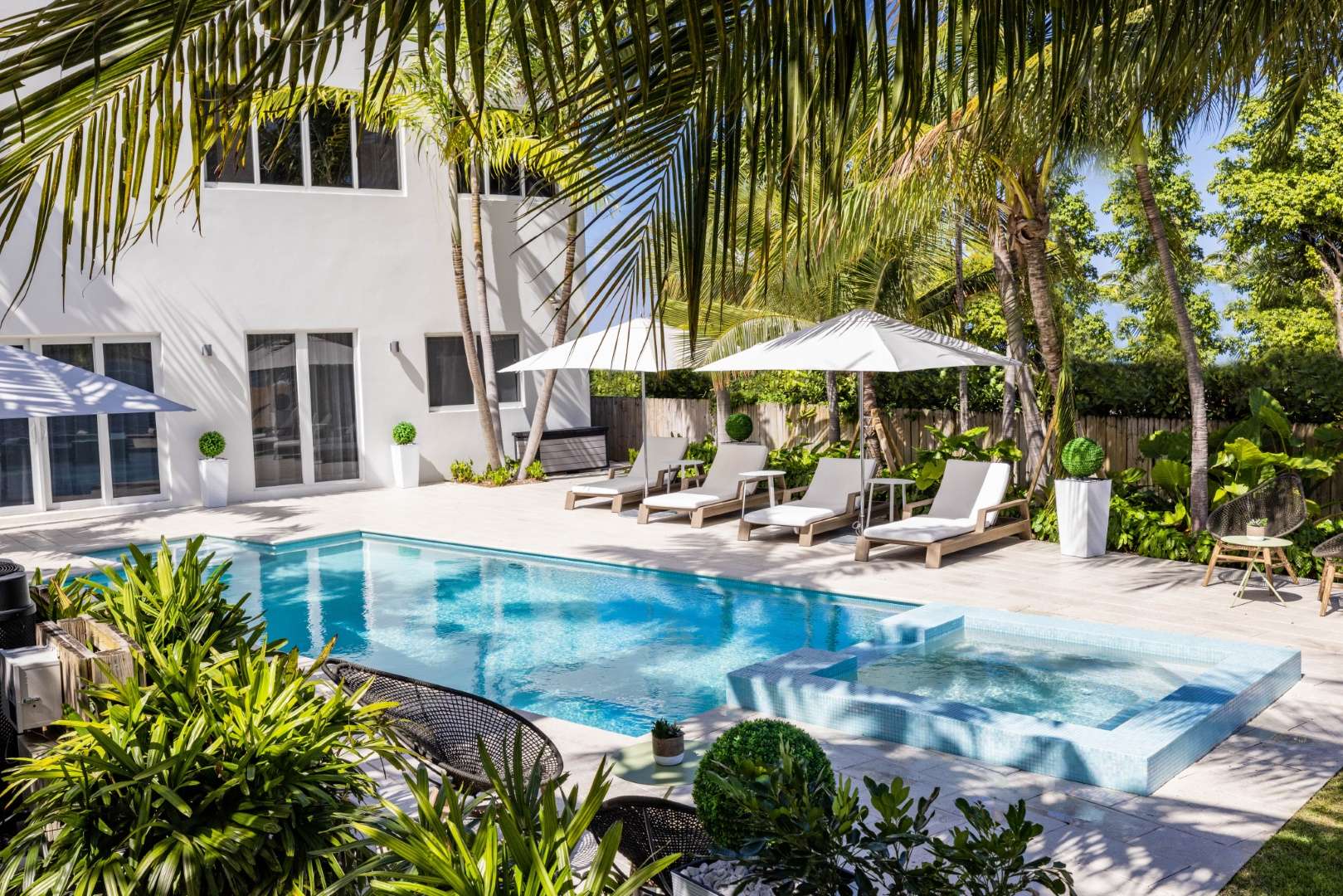
Stainless Steel Pool in the USA Costs and 2026 Trends
Follow Planète Déco on Google — add us to your favourites to keep our decor articles in your news feedThe Stainless steel pool is redefining luxury backyards across the US. Discover their real advantages, and true cost
Long reserved for hotel complexes and municipal aquatic facilities, the stainless steel pool is now making its way into American backyards. Homeowners seeking radical design and extreme durability are paying close attention. This material is redefining the standards of the private pool market across the United States.

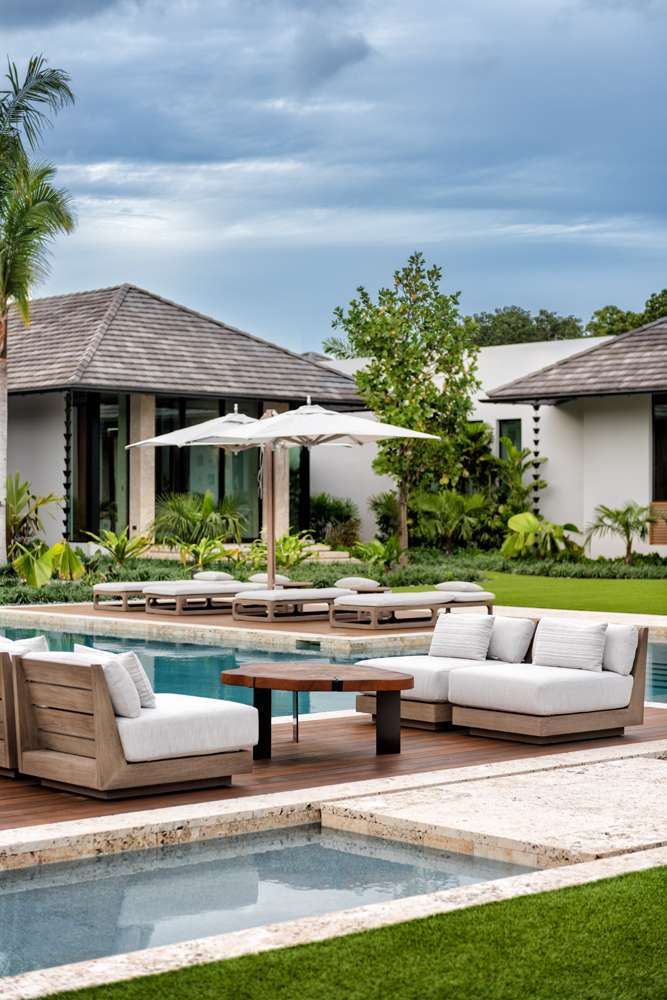
Photo source : CPS Outdoors
Stainless steel is not a casual choice. It is an alloy of iron, carbon, chromium, nickel, and molybdenum. Grade 316L, the most widely used in pool construction, incorporates additional molybdenum. This component strengthens resistance to saline and chlorinated environments. For a pool near the ocean in Miami or Malibu, that is a decisive advantage.
Chromium is responsible for stainless steel's anticorrosion properties. It spontaneously forms a thin protective oxide layer on the surface. This layer regenerates on its own if the material is scratched. The result: the structure stays intact for decades without heavy maintenance.
The mechanical flexibility of stainless steel is another valuable quality. Its pool shell absorbs minor ground movement without cracking. In states like California or Utah, where seismic risk is real, this is a serious argument that traditional materials, concrete and fiberglass, simply cannot match.
Outdoor living in America is evolving. Homeowners are investing more in their backyard spaces. The pool has become a full architectural element in its own right. Stainless steel answers that visual demand perfectly.
Its reflective surface turns the water into a living mirror. Reflections shift throughout the day with changing light. The result is spectacular, whether the pool sits at grade level or rises above a rooftop terrace. The clean lines of stainless steel pair naturally with modern, mid-century, and industrial architecture. It works equally well alongside natural stone, composite wood decking, or polished concrete.
Available shapes are extremely varied. Stainless steel supports curves, sharp angles, infinity edges, and the ultra-trendy rectangular plunge pool. On a New York City rooftop or a Bel Air villa, the visual impact is undeniable.
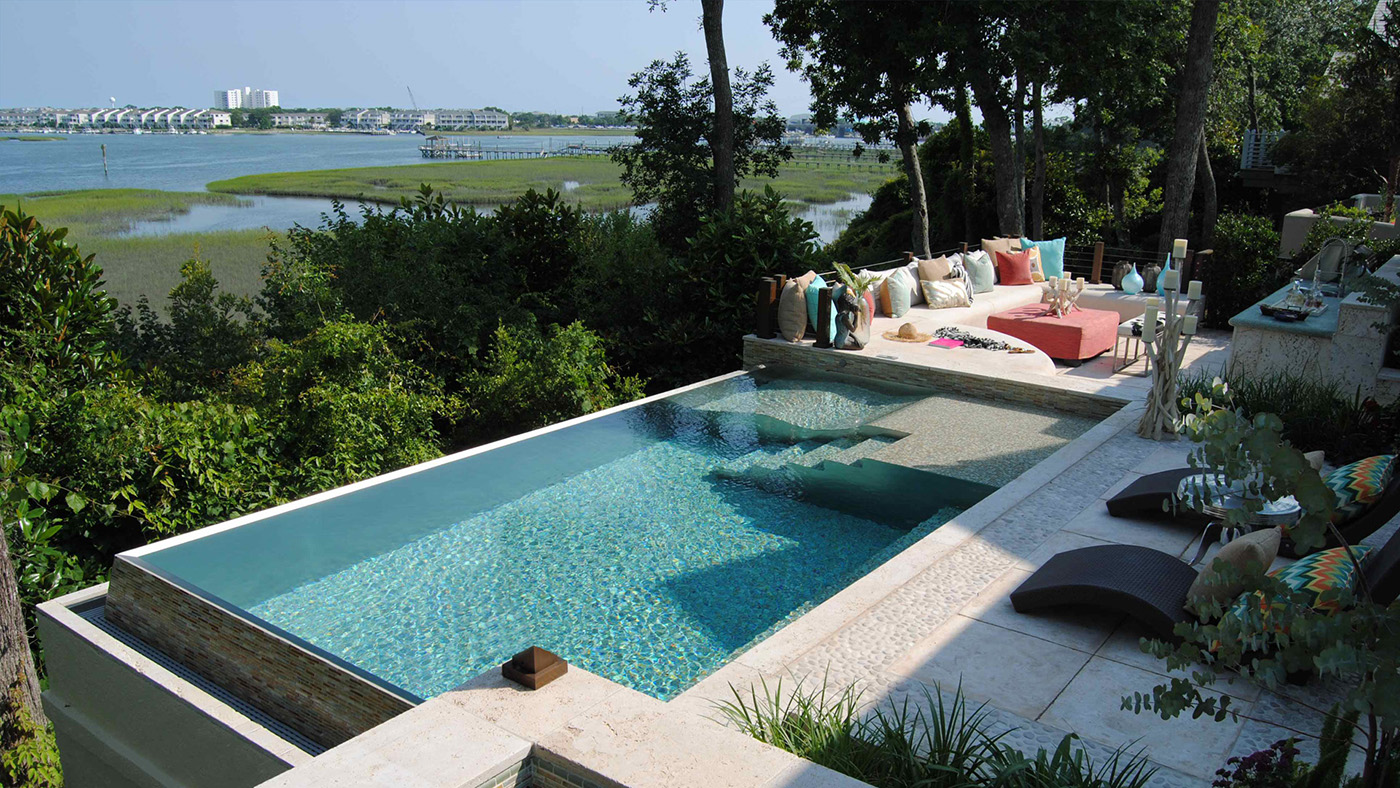
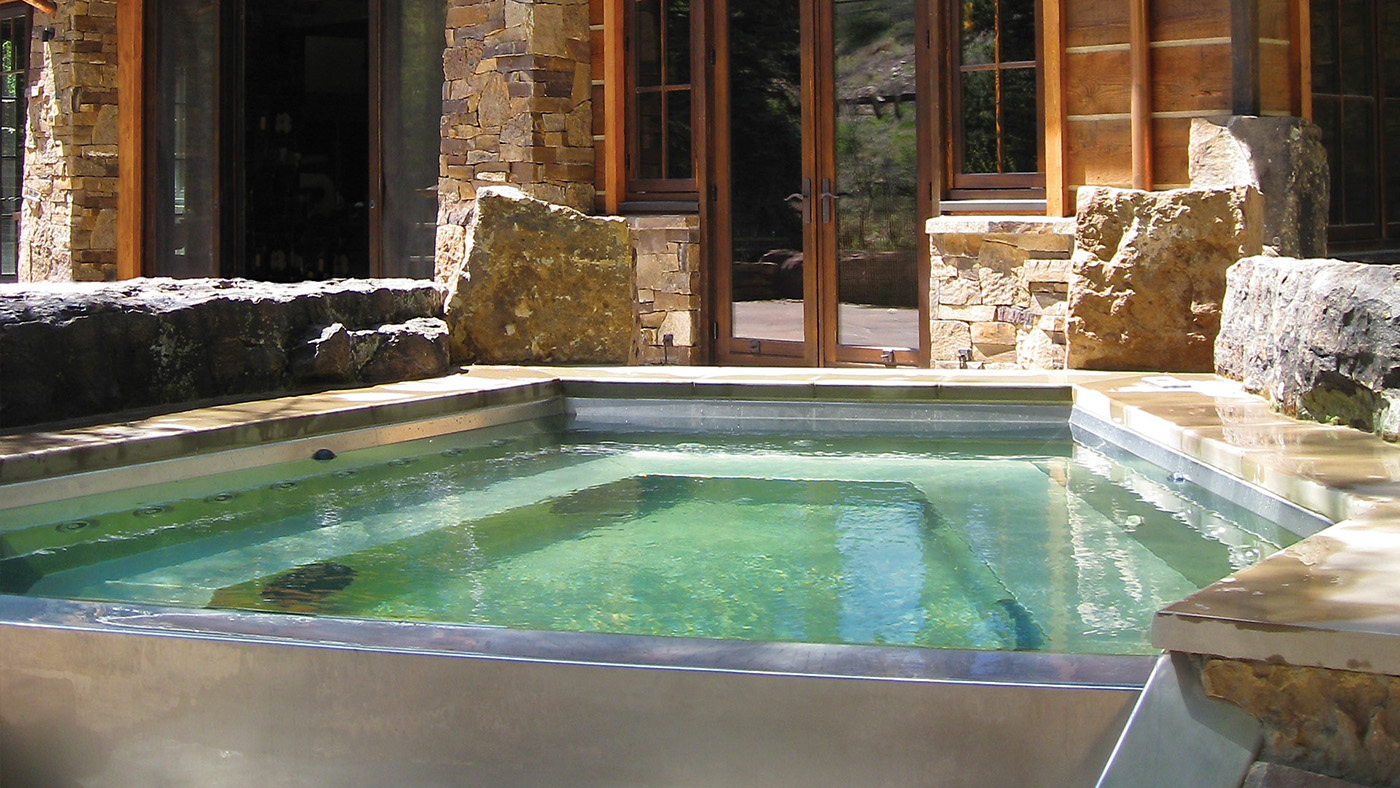
Photo source : Bradford
The smooth, non-porous surface of stainless steel is a game changer for pool maintenance. Algae and bacteria do not grip it as easily as they do concrete or fiberglass. The waterline stays cleaner for longer. Chemical usage is reduced. That is a real environmental and financial advantage.
No liner to replace every ten years. No cracking tile. Stainless steel does not age the way traditional materials do. A well-maintained stainless steel pool easily lasts forty years. That is a long-term investment logic that pragmatic American homeowners understand and appreciate.
Water chemistry remains a point of vigilance, however. An unbalanced pH or a faulty bonding connection can attack the metal. Professional installation and regular water monitoring are non-negotiable.
Unlike poured-in-place concrete, a stainless steel pool is manufactured off-site. It arrives at the job site ready to install, in one or several modules depending on size. Excavation is still required for an in-ground installation. But the actual installation process is significantly faster.
For some projects, the pool can be installed within days. This shorter timeline reduces construction disruption. It also lowers labor costs. That is a compelling argument in cities where job site access is challenging, condominiums, dense urban neighborhoods, gated communities.
Stainless steel is also far lighter than concrete. That opens up possibilities that traditional materials rule out entirely. A stainless steel pool can be installed on a rooftop terrace or an elevated deck. American companies like Chester Pool Systems have built their entire business around these elevated installations.
Cost remains the main objection to stainless steel pools. A custom stainless steel pool in the United States starts at roughly $50,000 to $80,000 for a standard-size basin. An infinity pool or fully custom architectural project can easily exceed $150,000 or more.
For context, a fiberglass pool runs between $30,000 and $60,000, and a gunite concrete pool typically falls between $50,000 and $100,000 or beyond. Stainless steel sits firmly at the top of the market. But the right way to evaluate it is through total cost of ownership. Fewer repairs, fewer renovations, fewer chemicals: stainless steel offsets its higher upfront cost over time.
Stainless steel is 90% recyclable at end of life. In the construction sector, its effective recovery rate is among the highest on the market. In the United States, where sustainability increasingly drives purchasing decisions, that matters. A stainless steel pool meets the criteria of high-quality, environmentally responsible construction.
The longevity of the material also helps reduce the overall carbon footprint of the project. Building one pool that lasts forty years instead of renovating every ten years means less waste and less energy consumed.
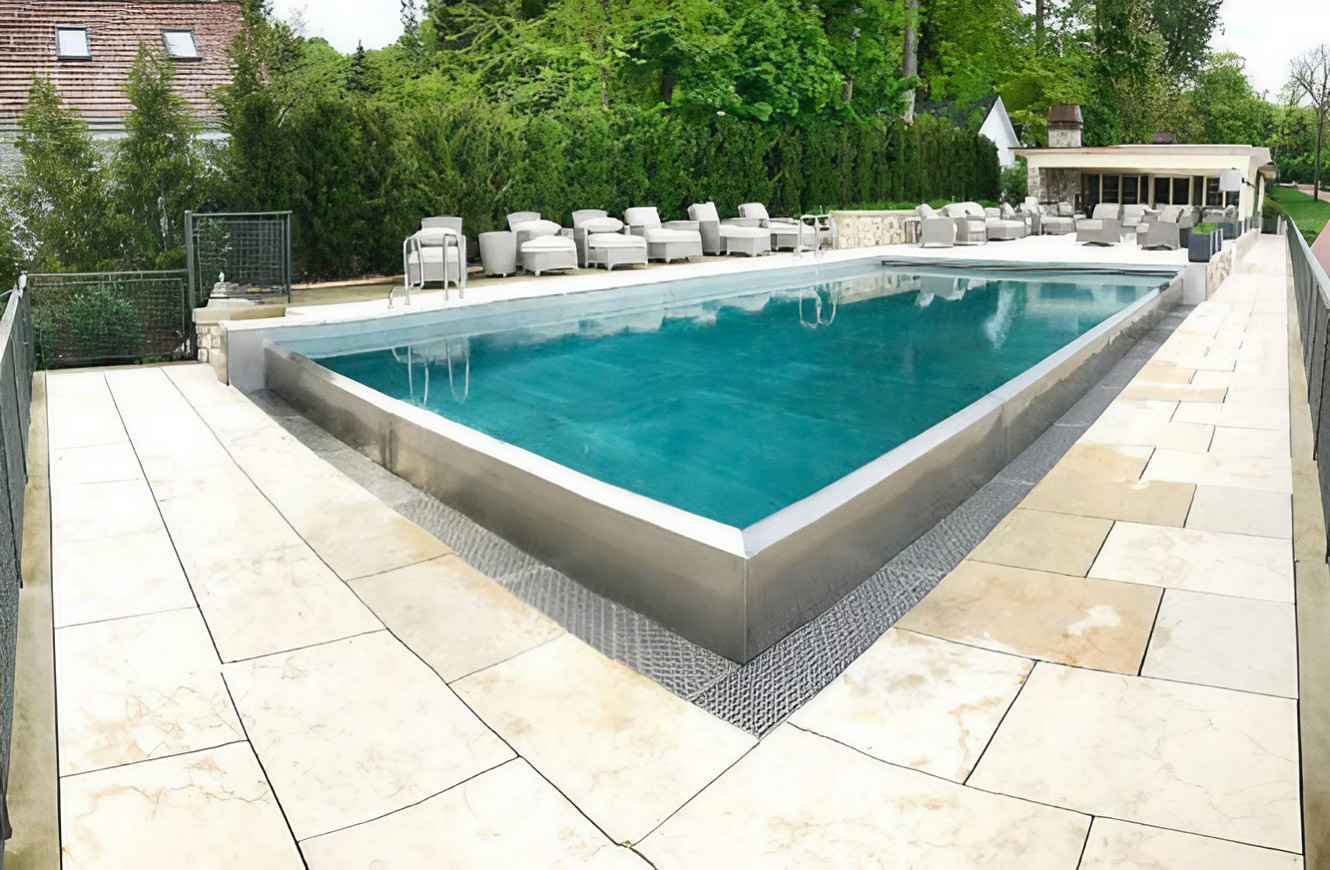
Photo source : Natar Pools
The American stainless steel pool market remains a niche, but a growing one. Professionals are organizing. Landscape architects and outdoor designers are specifying this material more frequently. High-end hotel and residential projects are pulling demand upward.
The stainless steel pool is no longer a European curiosity. It is establishing a lasting presence in the American luxury residential landscape. For homeowners who want a pool with zero compromise, it is the most coherent option available.
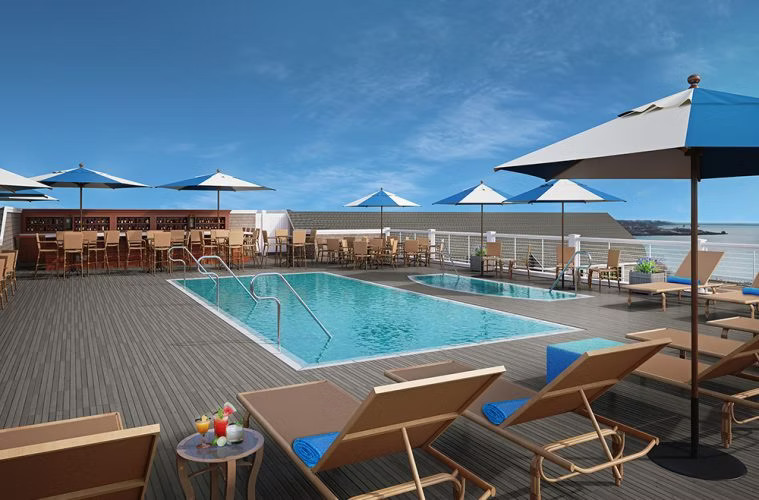
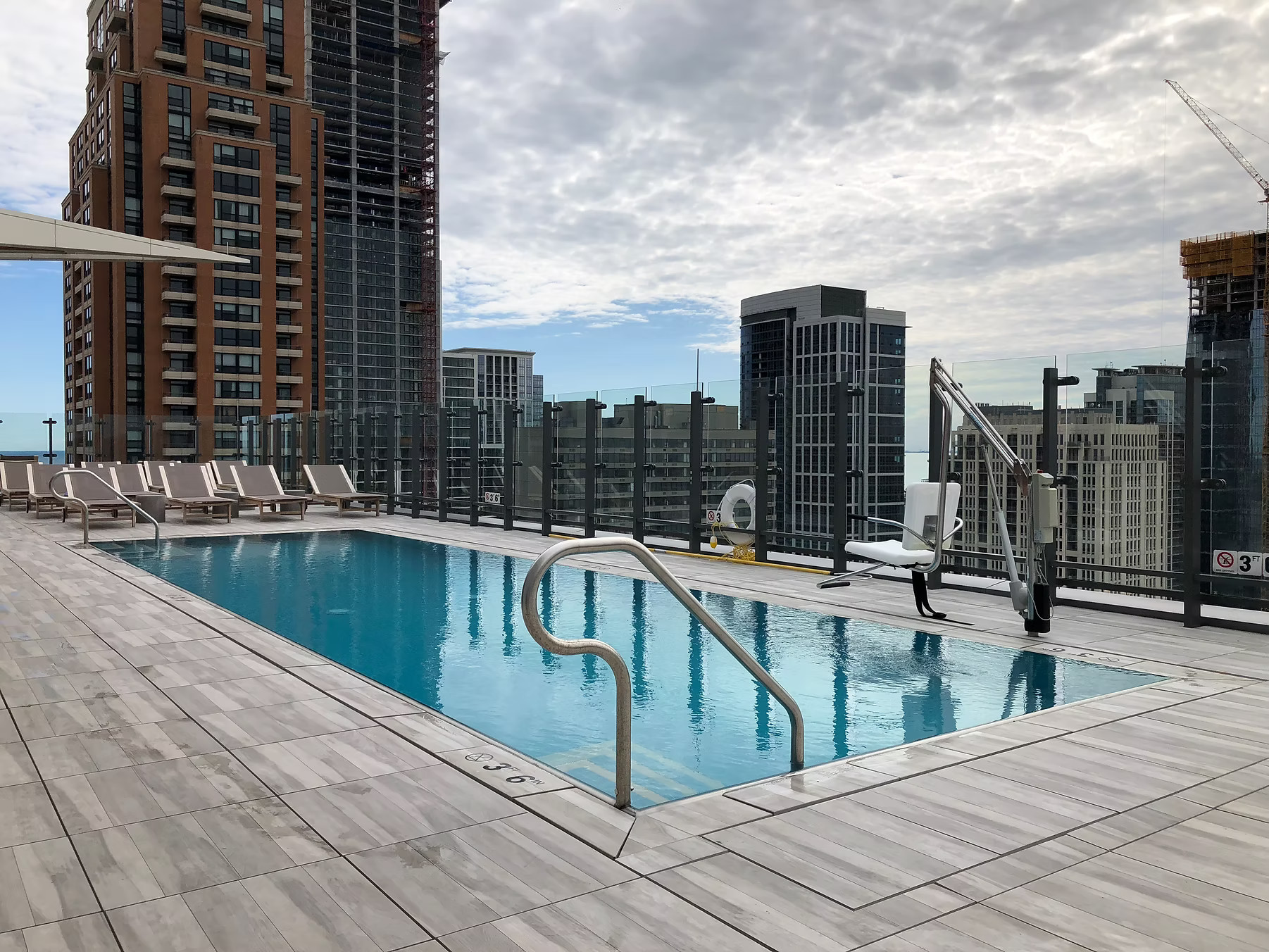
Photo source : Chester pools


Photo source : CPS Outdoors
A Material That Delivers Exceptional Performance
Stainless steel is not a casual choice. It is an alloy of iron, carbon, chromium, nickel, and molybdenum. Grade 316L, the most widely used in pool construction, incorporates additional molybdenum. This component strengthens resistance to saline and chlorinated environments. For a pool near the ocean in Miami or Malibu, that is a decisive advantage.
Chromium is responsible for stainless steel's anticorrosion properties. It spontaneously forms a thin protective oxide layer on the surface. This layer regenerates on its own if the material is scratched. The result: the structure stays intact for decades without heavy maintenance.
The mechanical flexibility of stainless steel is another valuable quality. Its pool shell absorbs minor ground movement without cracking. In states like California or Utah, where seismic risk is real, this is a serious argument that traditional materials, concrete and fiberglass, simply cannot match.
An Aesthetic That Defines Contemporary Design
Outdoor living in America is evolving. Homeowners are investing more in their backyard spaces. The pool has become a full architectural element in its own right. Stainless steel answers that visual demand perfectly.
Its reflective surface turns the water into a living mirror. Reflections shift throughout the day with changing light. The result is spectacular, whether the pool sits at grade level or rises above a rooftop terrace. The clean lines of stainless steel pair naturally with modern, mid-century, and industrial architecture. It works equally well alongside natural stone, composite wood decking, or polished concrete.
Available shapes are extremely varied. Stainless steel supports curves, sharp angles, infinity edges, and the ultra-trendy rectangular plunge pool. On a New York City rooftop or a Bel Air villa, the visual impact is undeniable.


Photo source : Bradford
Less Maintenance, More Swimming
The smooth, non-porous surface of stainless steel is a game changer for pool maintenance. Algae and bacteria do not grip it as easily as they do concrete or fiberglass. The waterline stays cleaner for longer. Chemical usage is reduced. That is a real environmental and financial advantage.
No liner to replace every ten years. No cracking tile. Stainless steel does not age the way traditional materials do. A well-maintained stainless steel pool easily lasts forty years. That is a long-term investment logic that pragmatic American homeowners understand and appreciate.
Water chemistry remains a point of vigilance, however. An unbalanced pH or a faulty bonding connection can attack the metal. Professional installation and regular water monitoring are non-negotiable.
Fast Installation: A Real-World Advantage
Unlike poured-in-place concrete, a stainless steel pool is manufactured off-site. It arrives at the job site ready to install, in one or several modules depending on size. Excavation is still required for an in-ground installation. But the actual installation process is significantly faster.
For some projects, the pool can be installed within days. This shorter timeline reduces construction disruption. It also lowers labor costs. That is a compelling argument in cities where job site access is challenging, condominiums, dense urban neighborhoods, gated communities.
Stainless steel is also far lighter than concrete. That opens up possibilities that traditional materials rule out entirely. A stainless steel pool can be installed on a rooftop terrace or an elevated deck. American companies like Chester Pool Systems have built their entire business around these elevated installations.
What Budget Should You Expect in the United States?
Cost remains the main objection to stainless steel pools. A custom stainless steel pool in the United States starts at roughly $50,000 to $80,000 for a standard-size basin. An infinity pool or fully custom architectural project can easily exceed $150,000 or more.
For context, a fiberglass pool runs between $30,000 and $60,000, and a gunite concrete pool typically falls between $50,000 and $100,000 or beyond. Stainless steel sits firmly at the top of the market. But the right way to evaluate it is through total cost of ownership. Fewer repairs, fewer renovations, fewer chemicals: stainless steel offsets its higher upfront cost over time.
An Eco-Responsible Material
Stainless steel is 90% recyclable at end of life. In the construction sector, its effective recovery rate is among the highest on the market. In the United States, where sustainability increasingly drives purchasing decisions, that matters. A stainless steel pool meets the criteria of high-quality, environmentally responsible construction.
The longevity of the material also helps reduce the overall carbon footprint of the project. Building one pool that lasts forty years instead of renovating every ten years means less waste and less energy consumed.

Photo source : Natar Pools
A Market That Is Taking Shape
The American stainless steel pool market remains a niche, but a growing one. Professionals are organizing. Landscape architects and outdoor designers are specifying this material more frequently. High-end hotel and residential projects are pulling demand upward.
The stainless steel pool is no longer a European curiosity. It is establishing a lasting presence in the American luxury residential landscape. For homeowners who want a pool with zero compromise, it is the most coherent option available.


Photo source : Chester pools


Comments