A renovated Provençal country house in Marseille with Mediterranean influences
In L’Estaque, on the hills above Marseille, Casa YOUM is a Provençal country house whose decor blends southern influences
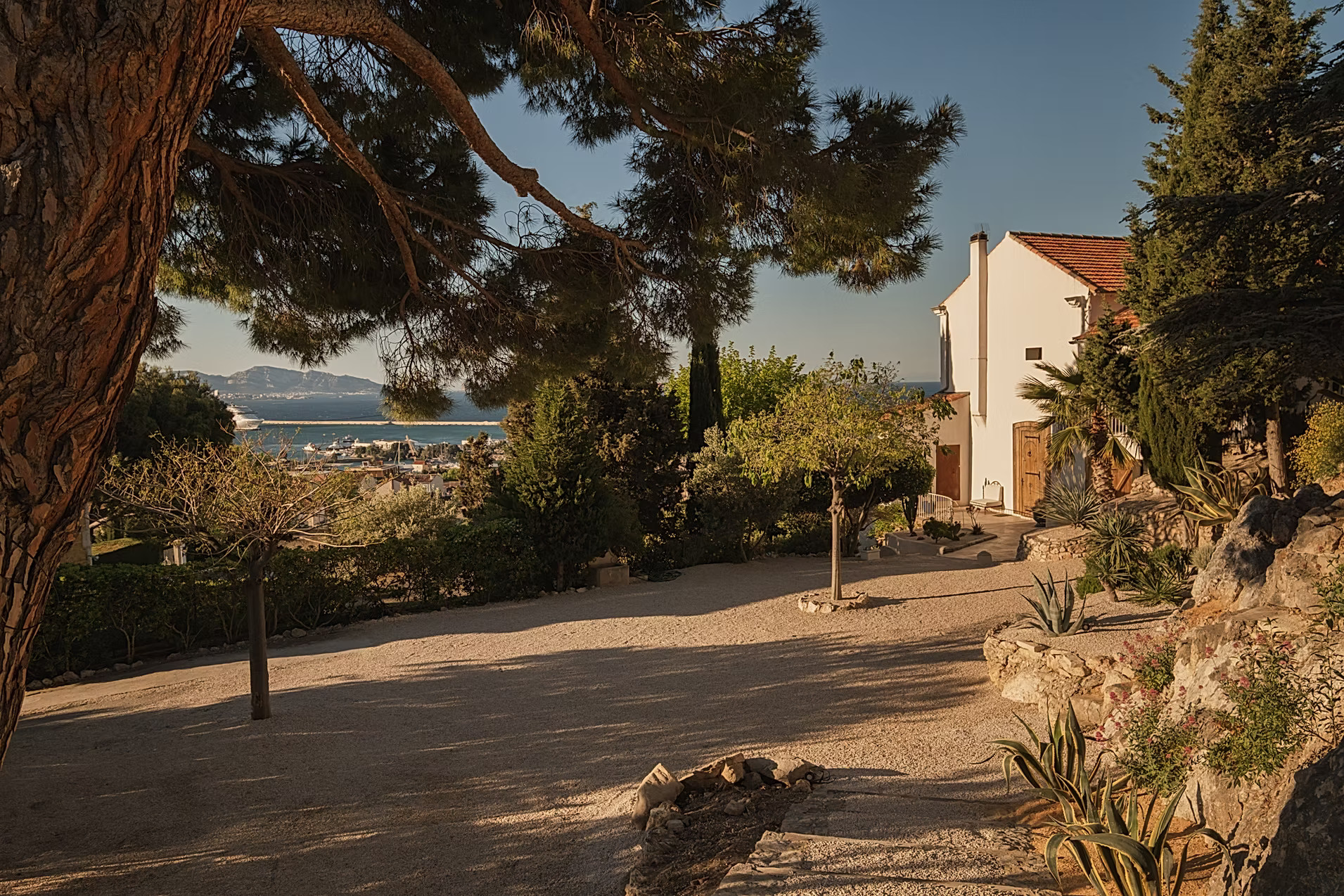
You have to climb up to L’Estaque to understand why Cézanne settled there. This neighborhood, north of Marseille, retains its authentic character. The city lies below, the sea stretches as far as the eye can see, and the hills have never been touched by concrete. This is where Casa YOUM has recently opened its doors. This Provençal country house, built in 1870, is surrounded by a large garden. It features a pool suspended above the gulf and décor with Tunisian and Italian influences.
The Estaque neighborhood isn’t the most touristy part of Marseille. There’s no Old Port, no crowded calanques, and no café terraces on the Canebière. It’s an old fishing village with narrow streets that wind down toward the sea. And that’s what has preserved it.
Cézanne stayed there several times between 1870 and 1886. He was seeking that particular light, white and harsh, which differed from that of Aix-en-Provence. He painted the sea from the heights, simplified the forms, and played with the shadows cast on the white walls. Amira Tarhouni and Édouard Méchin drew on these elements, color, light, and raw materials, to create the house.
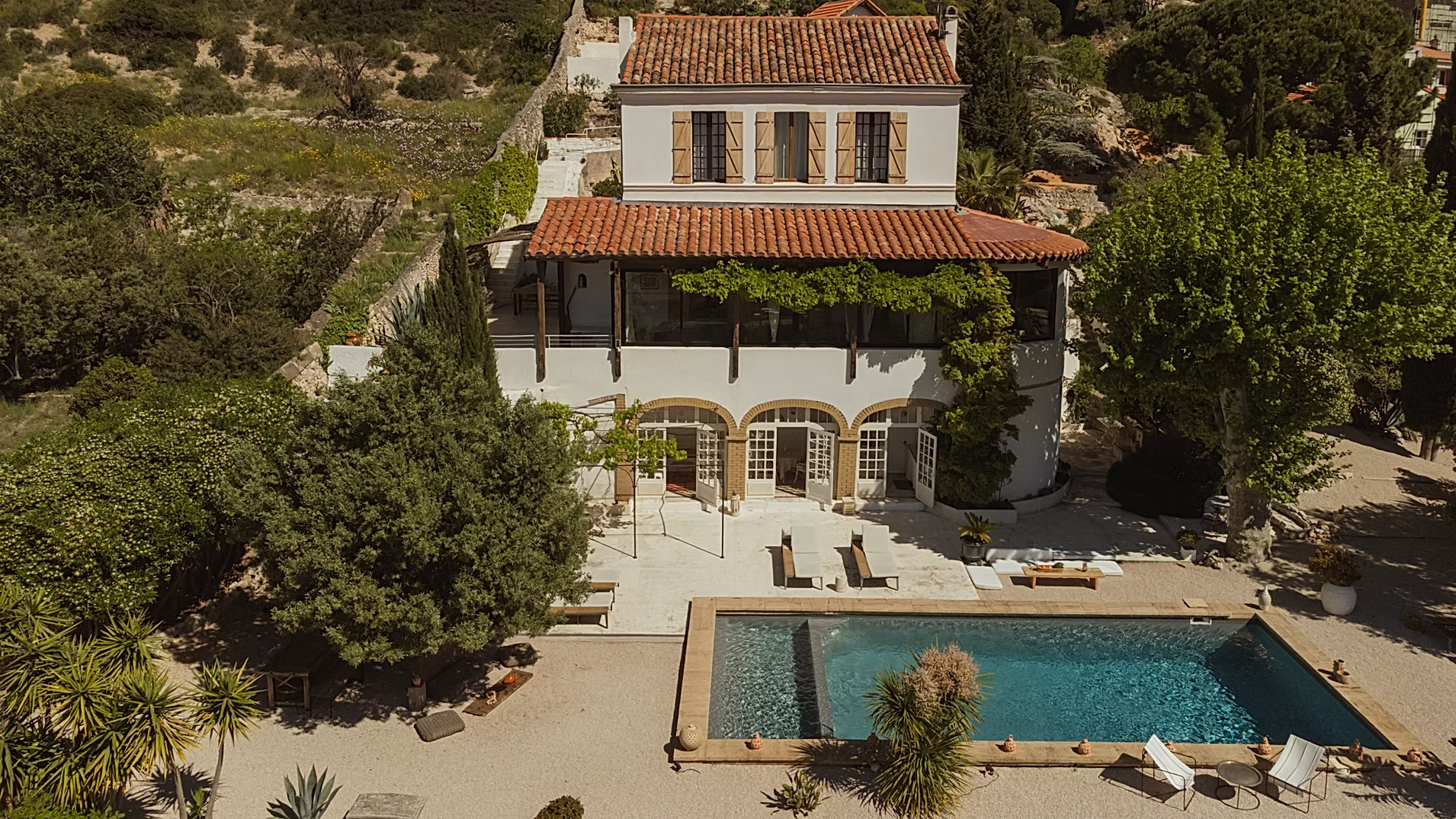
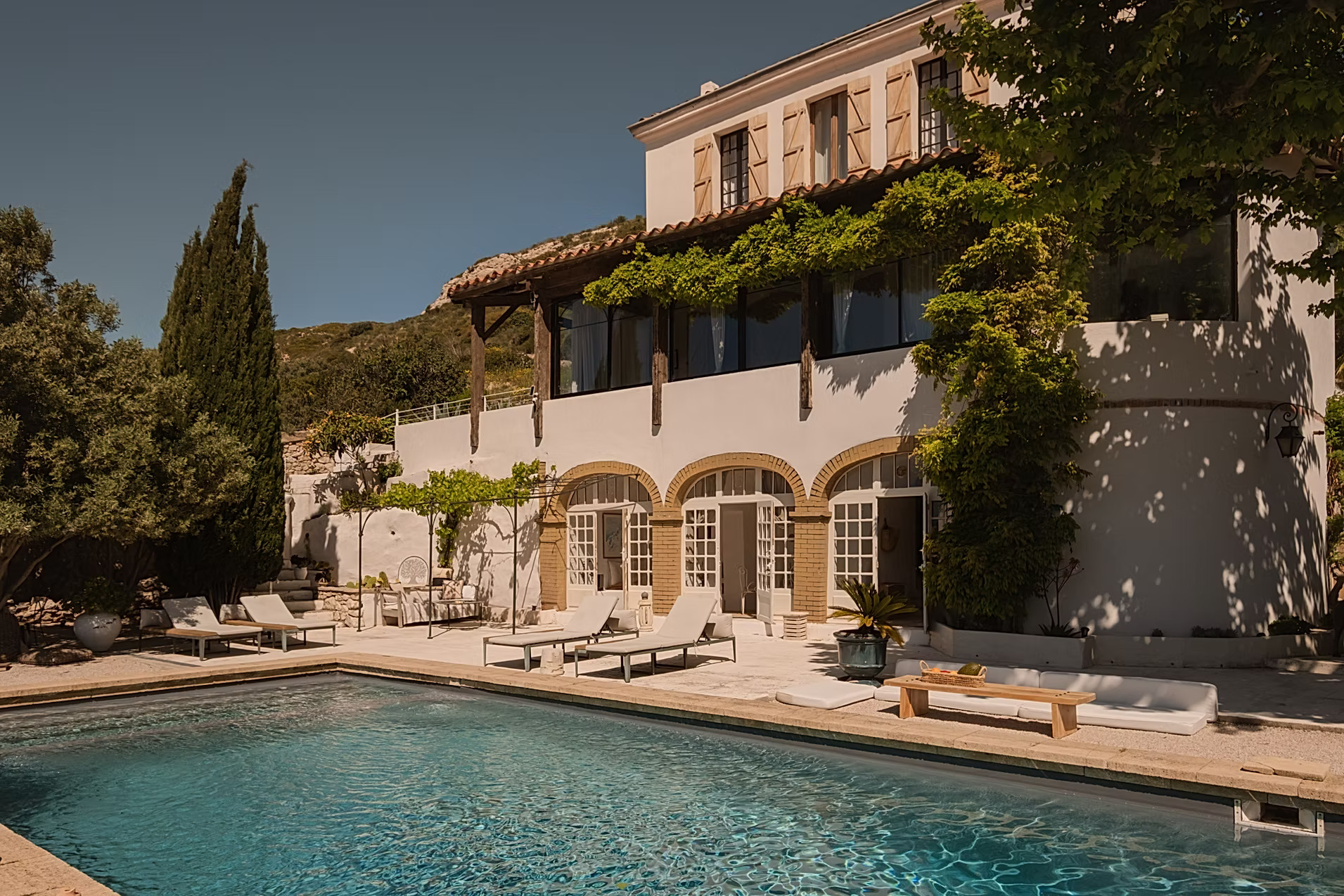
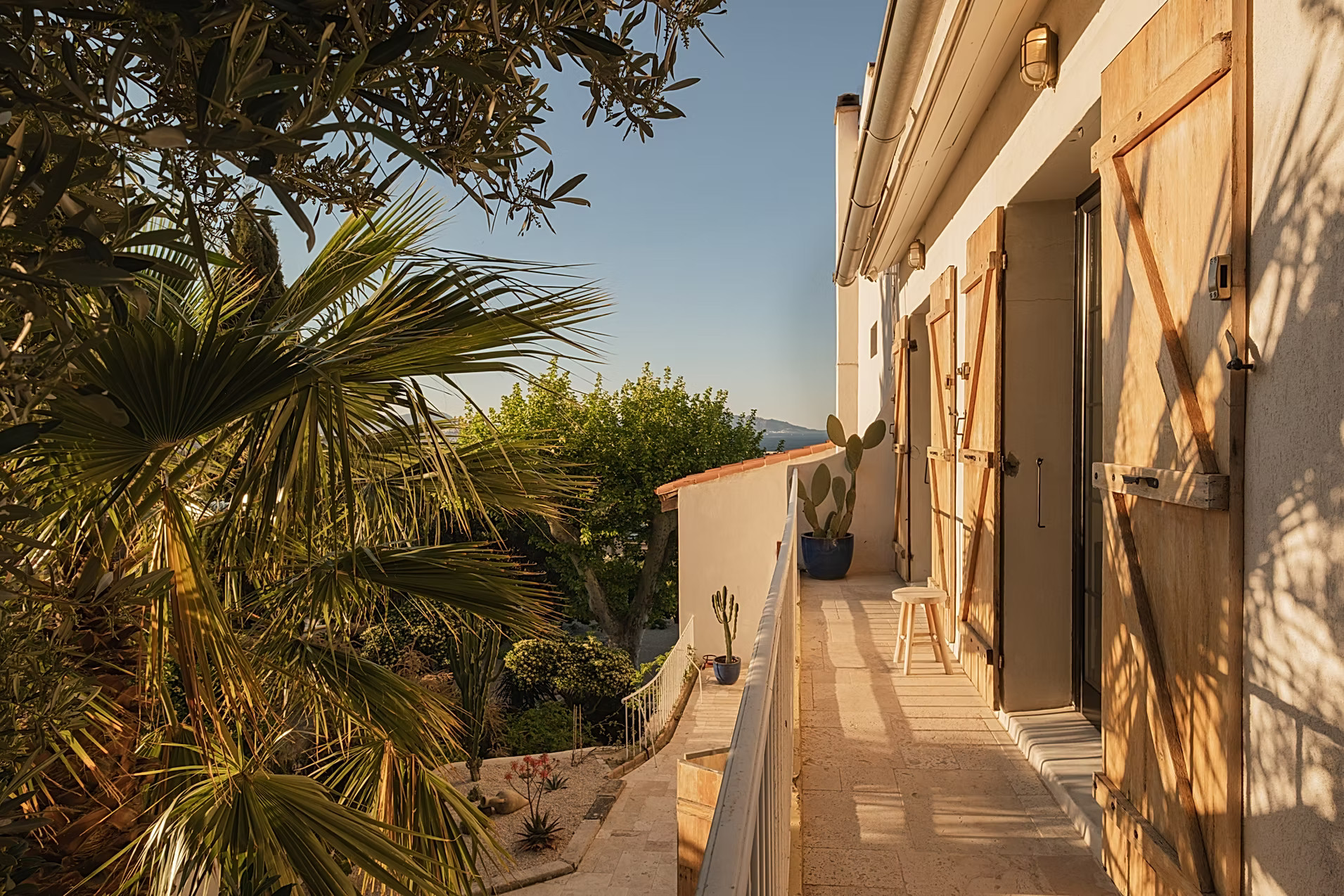
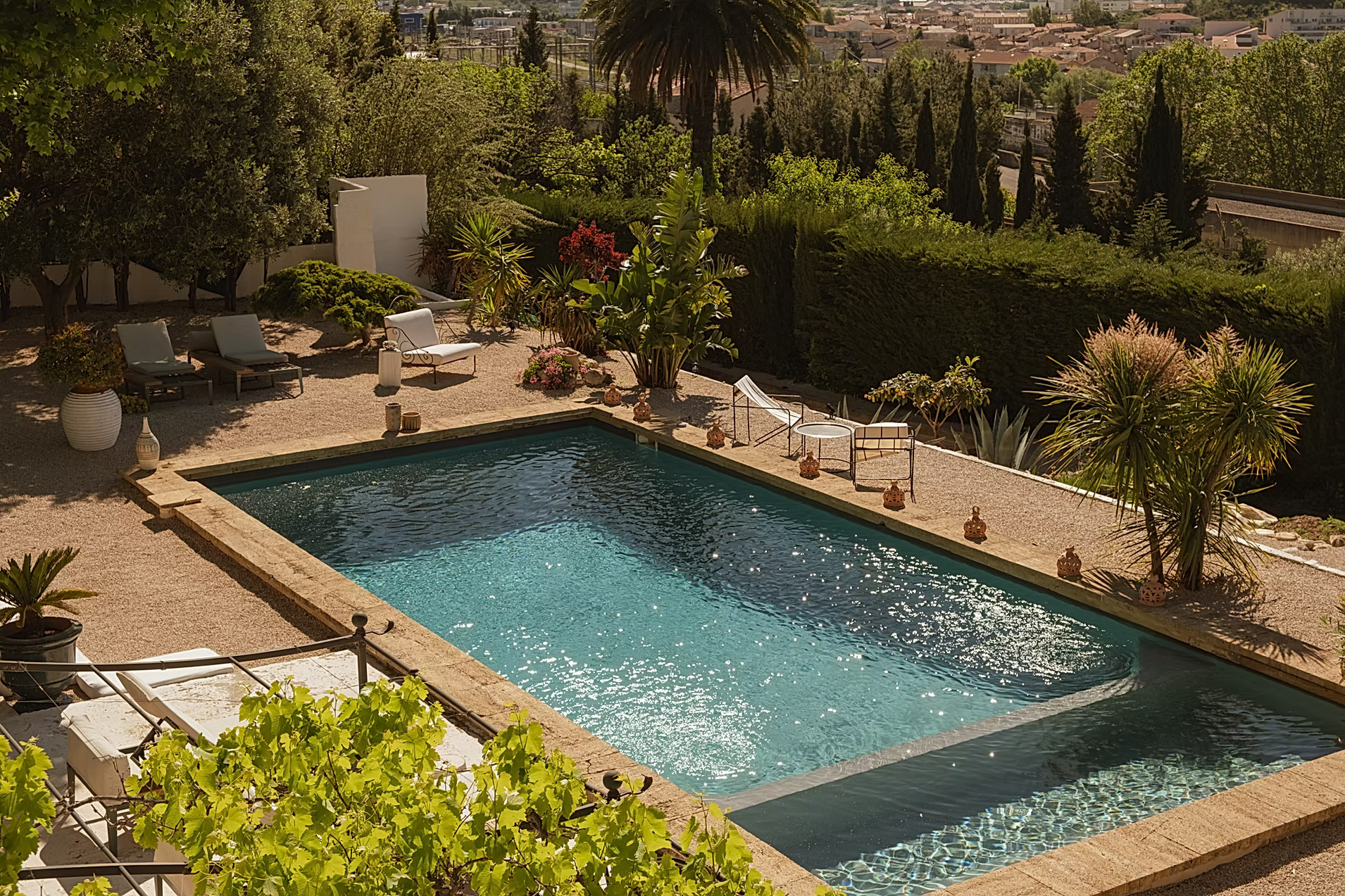
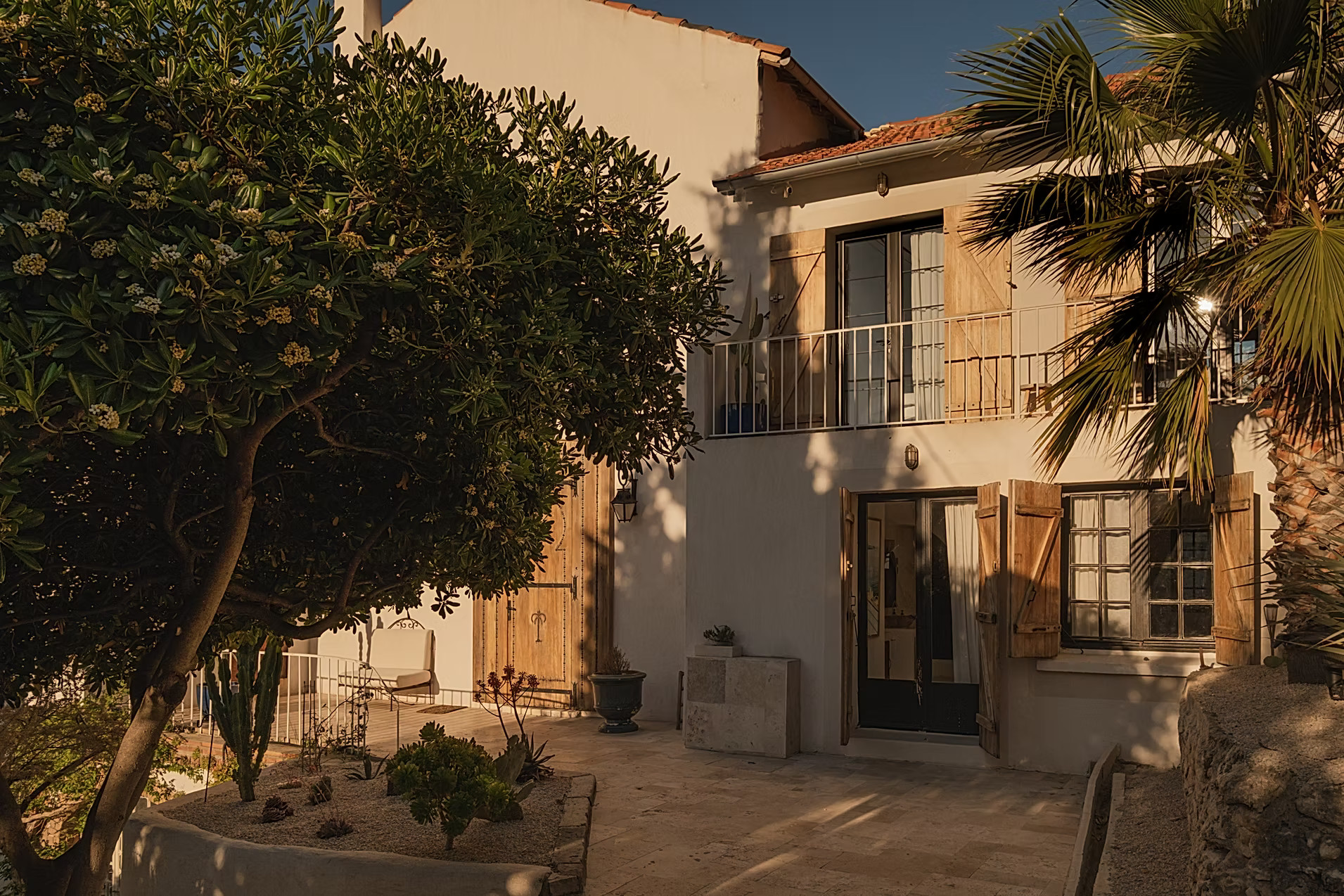
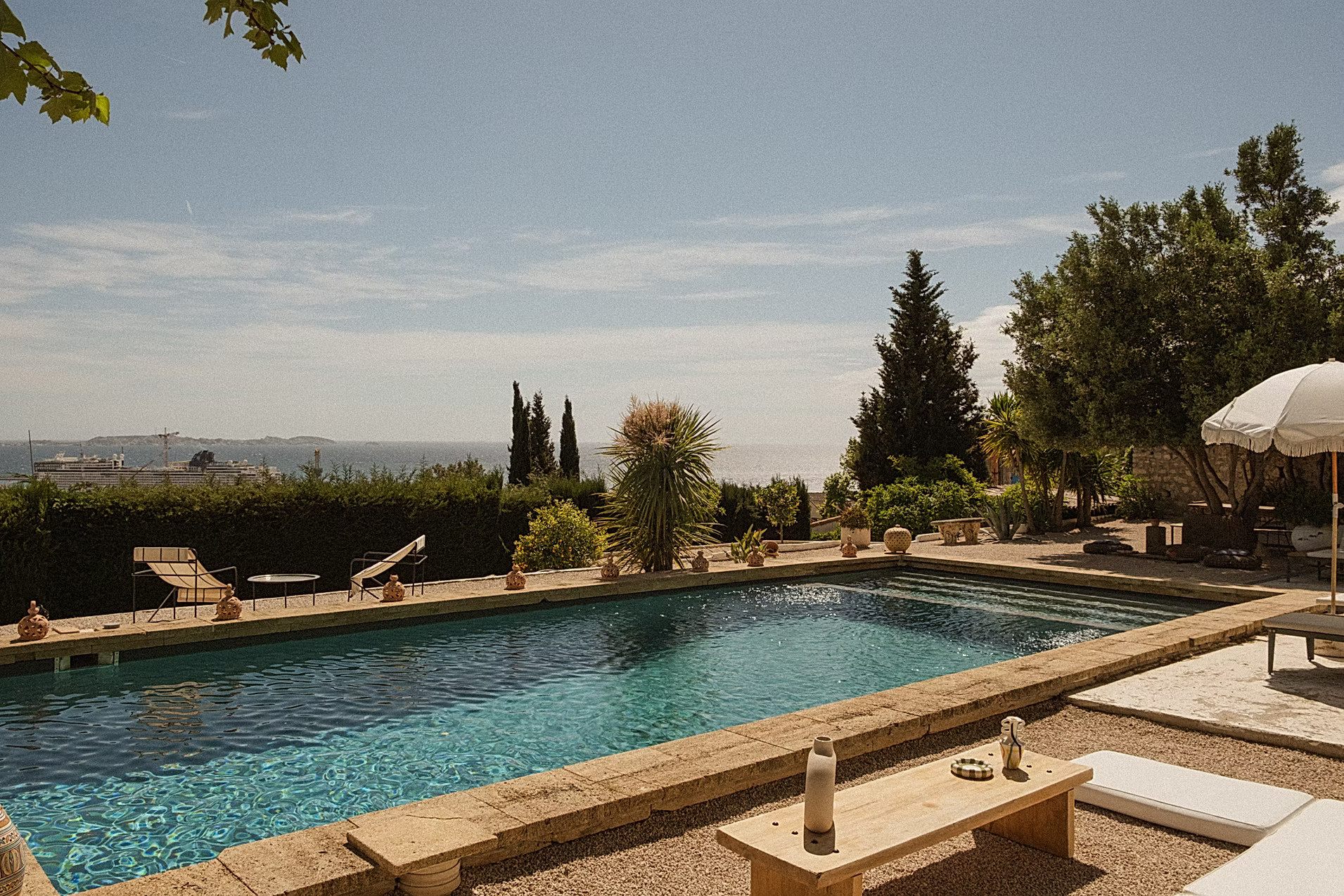
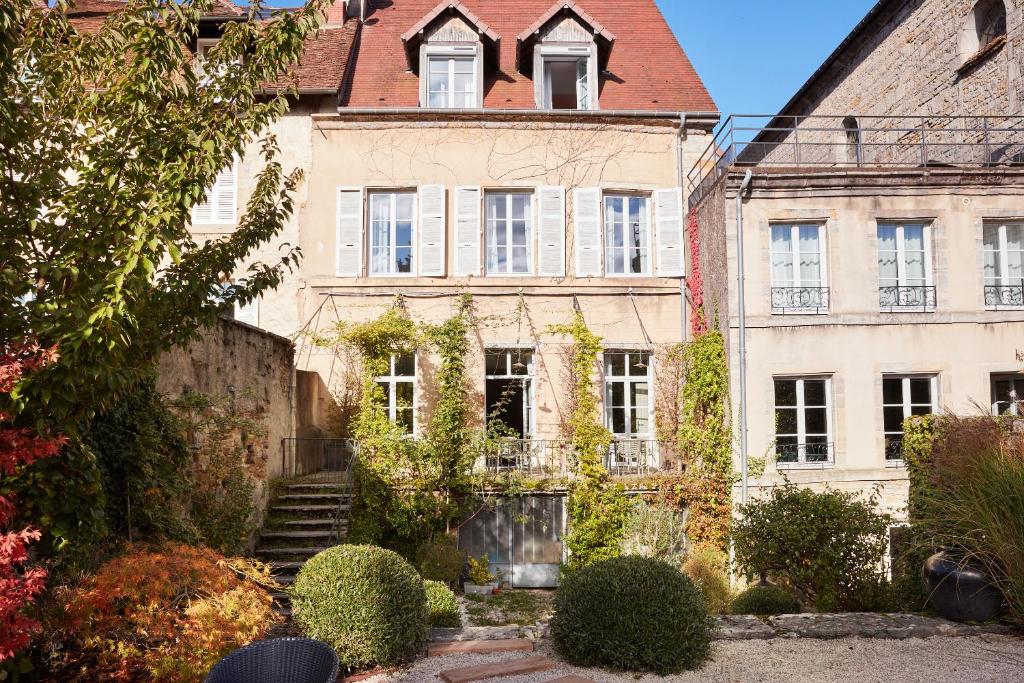
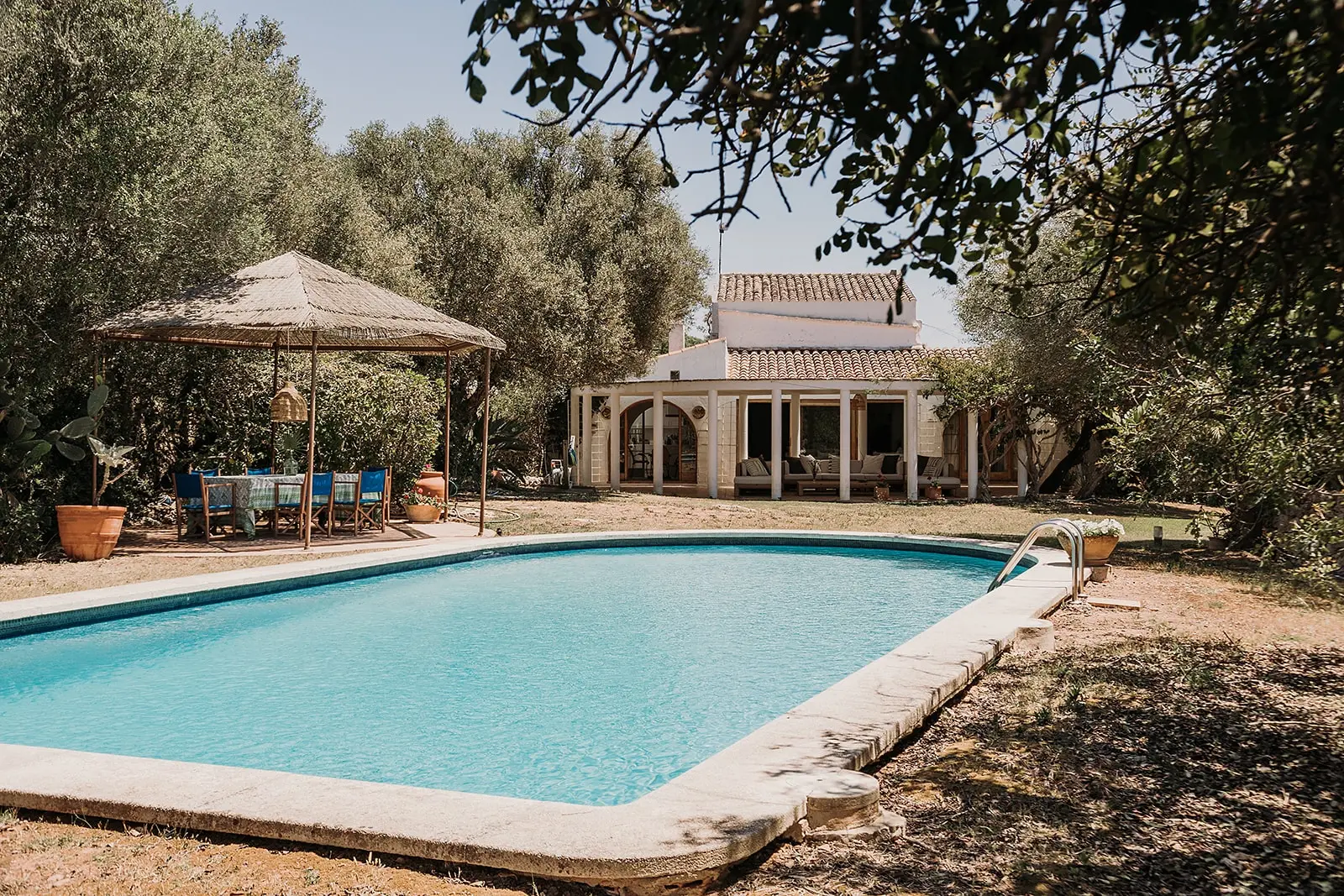
From the outside, the building has a classic appearance. The white walls, the canal-style tiled roof, the terracotta brick arches on the ground floor, and the wooden shutters are hallmarks of the region. Lush vegetation surrounds the pool, a climbing vine covers the pergola, and fig trees stand tall in the terraced garden.
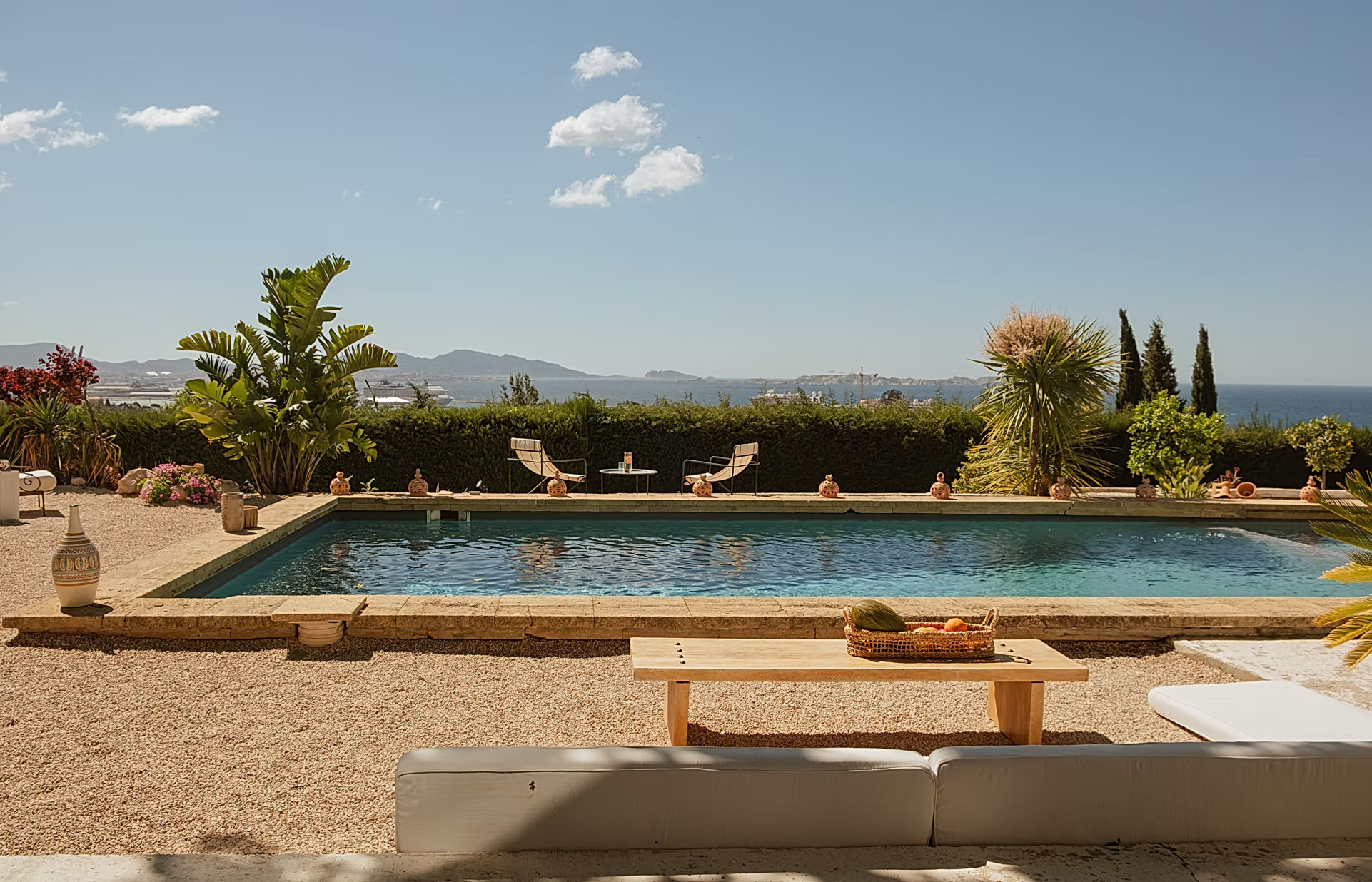
The swimming pool, rectangular and understated, opens directly onto the gulf. You swim facing Marseille, facing the Frioul Islands and a dreamlike horizon. No vegetation blocks the view, which stretches out into the distance.
Inside, the interior design is based on a simple idea. Amira is from Tunisia, and Édouard is from southern Italy. They chose neither to erase their origins nor to reduce them to clichés. The result strikes a balance between Provençal minimalism and the Mediterranean warmth of the Maghreb and southern Italy.
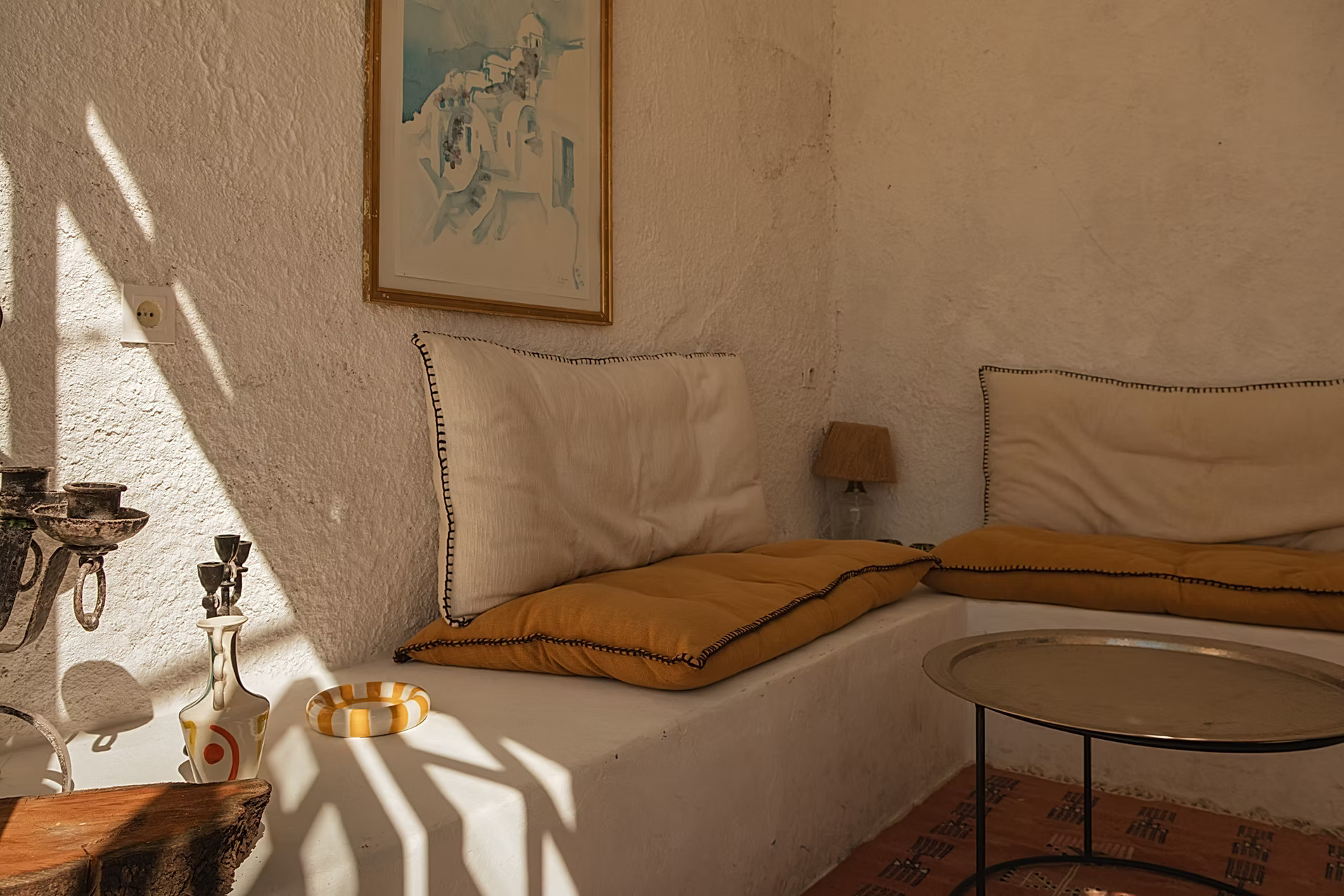
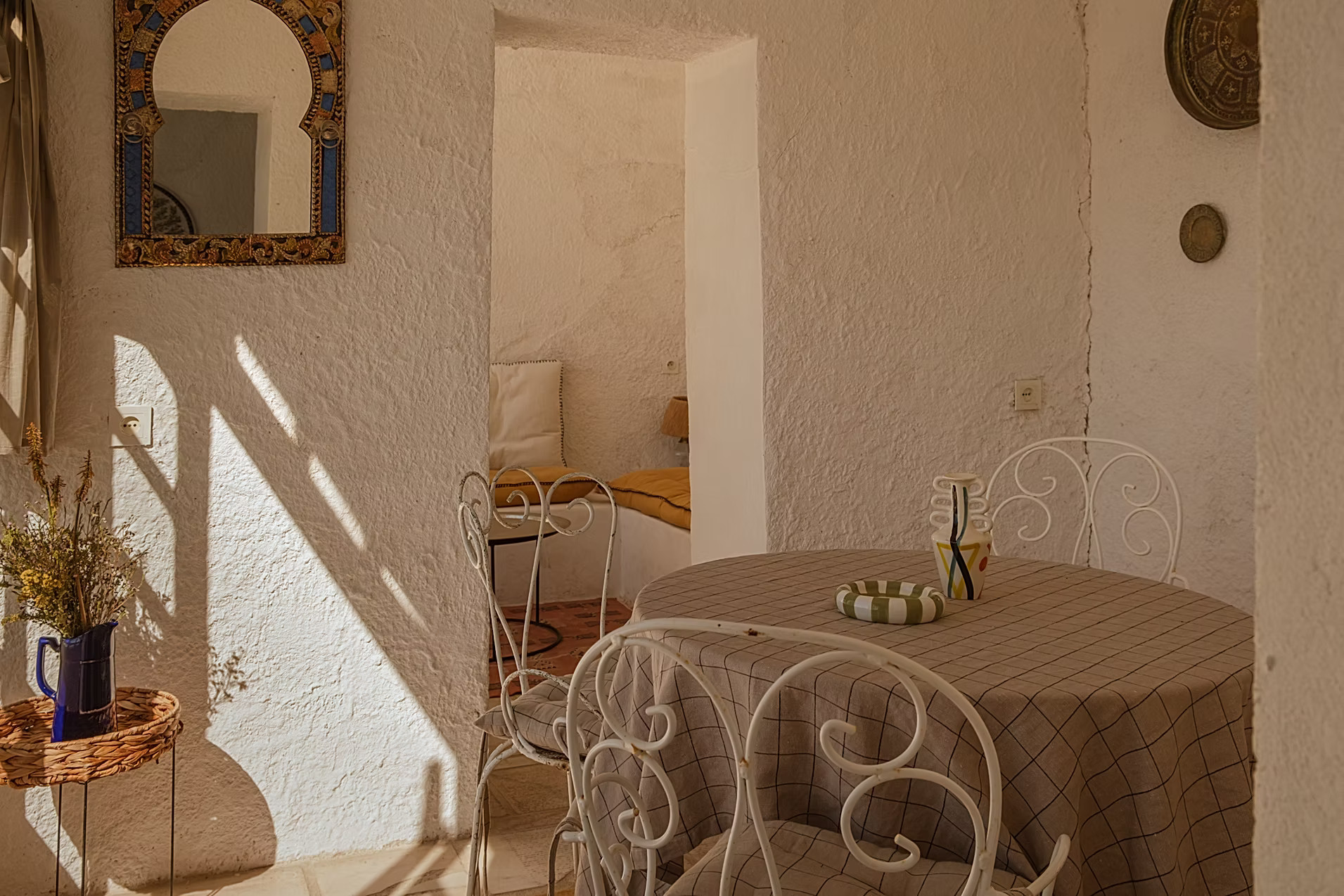
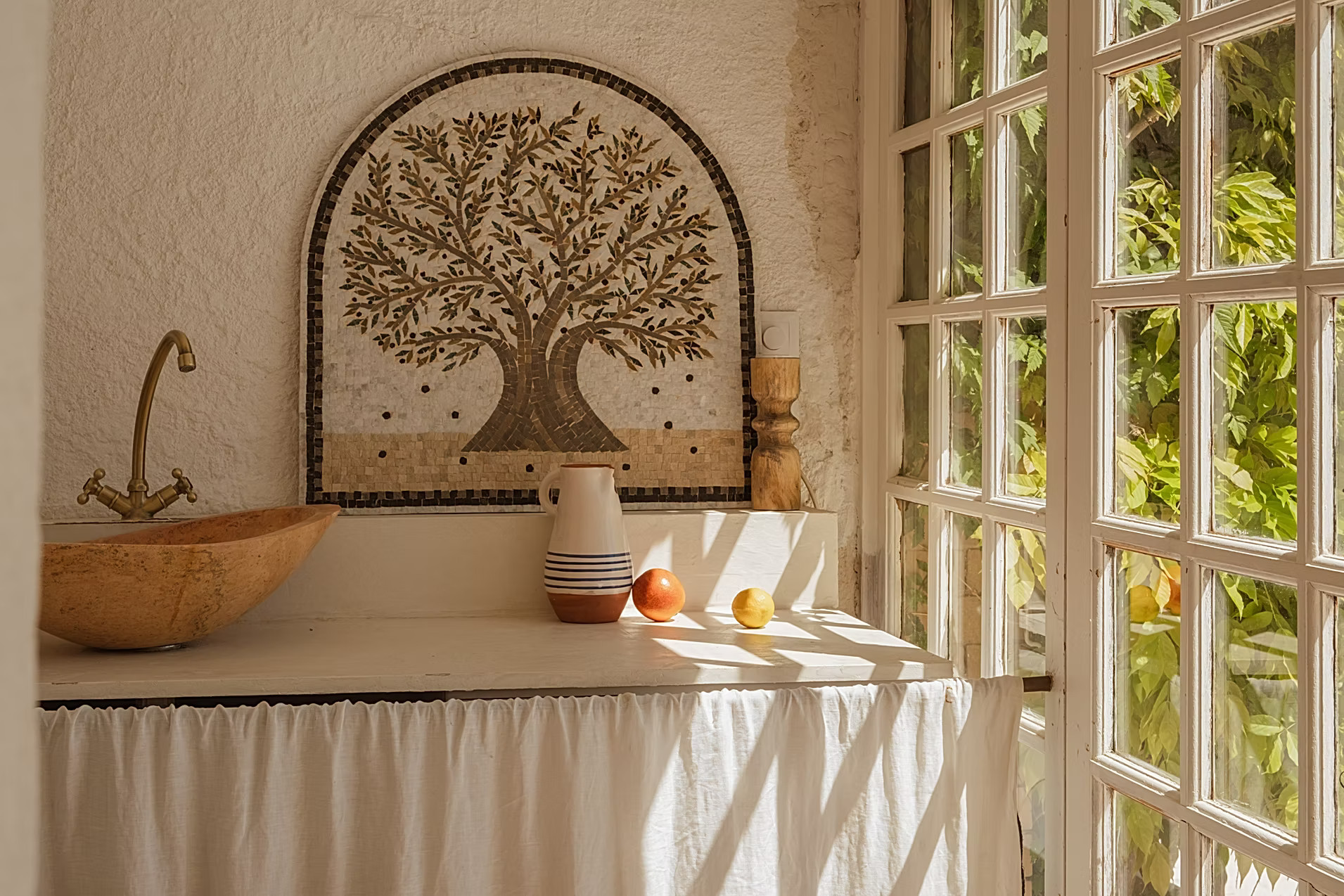
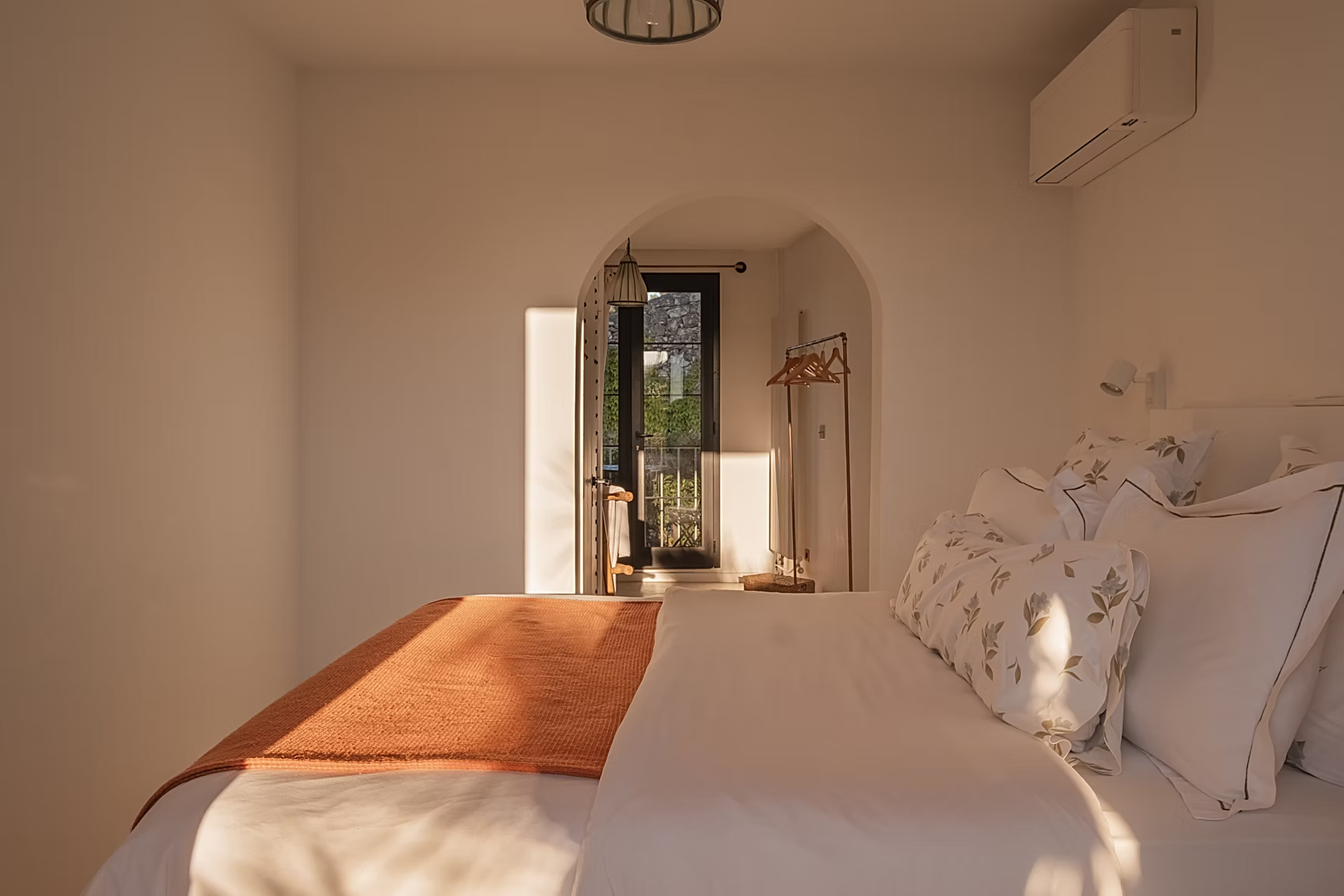
The whitewashed walls have a rough texture. This irregular surface captures the light, giving the spaces a raw, unpolished quality. Shadows dance across these surfaces throughout the day.
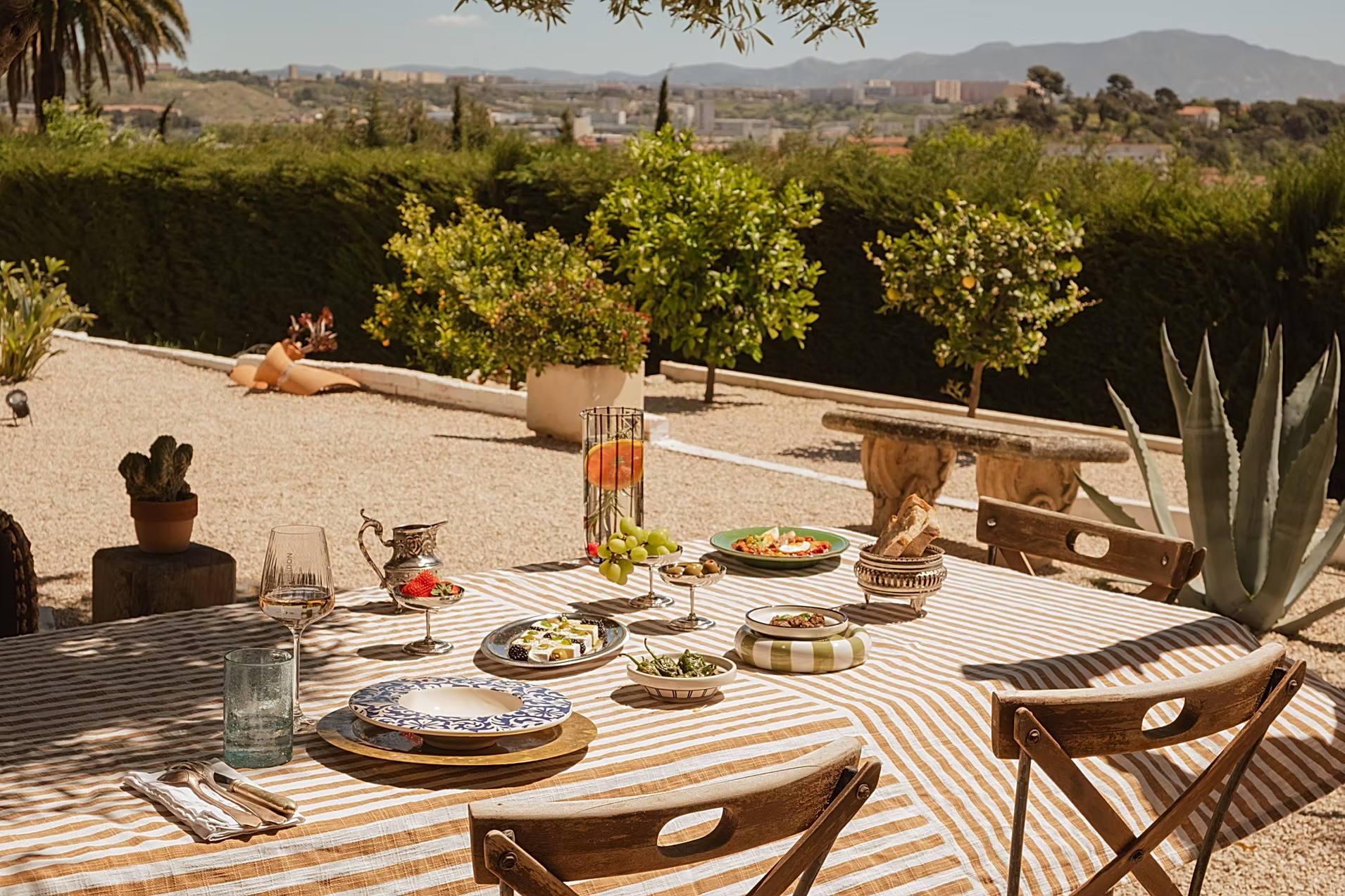
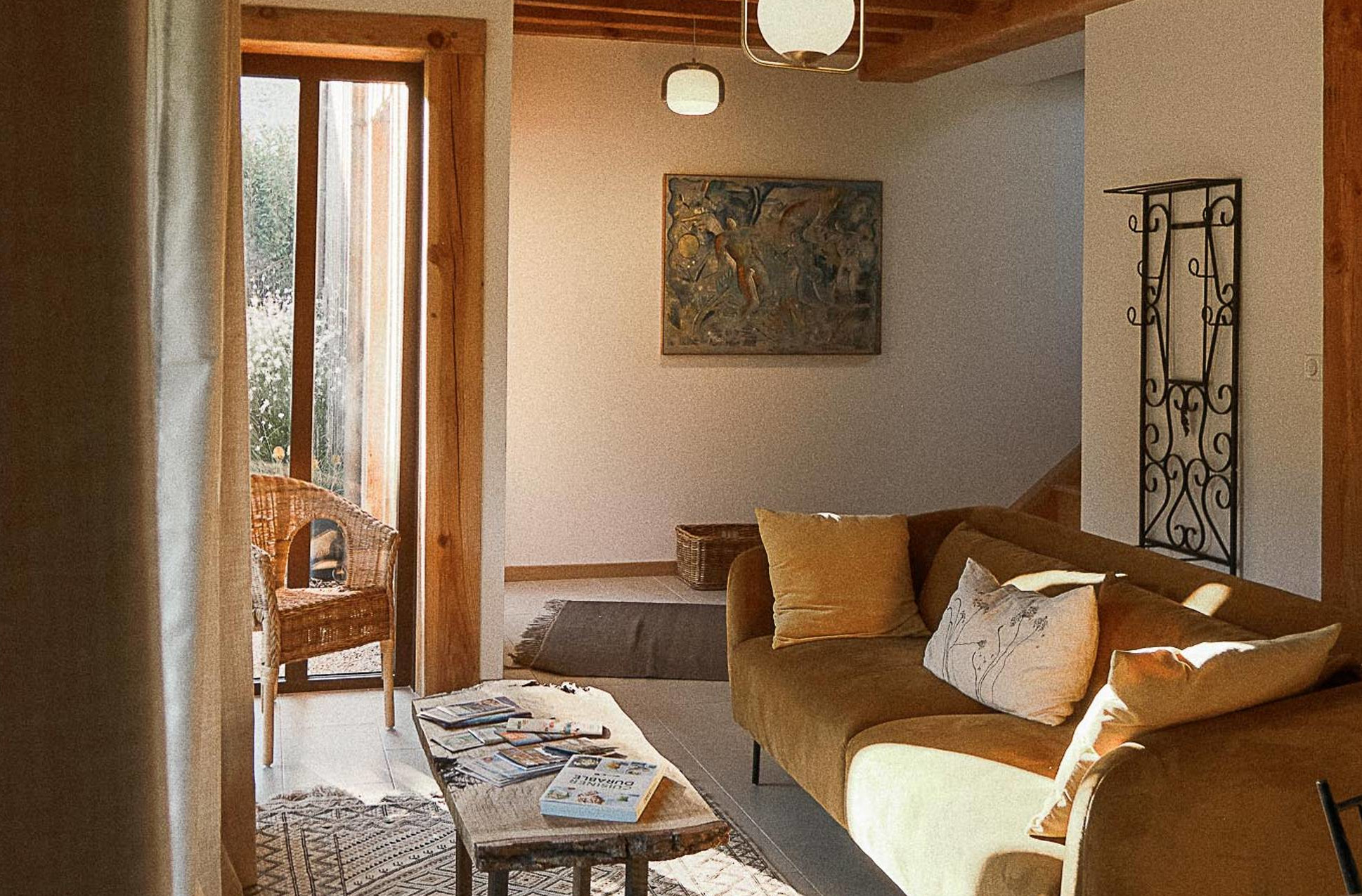
The furniture is equally diverse. White wrought-iron chairs, a table covered with a checkered tablecloth, a low bench with honey-colored quilted cushions, nothing comes from a single source, yet everything coexists harmoniously.
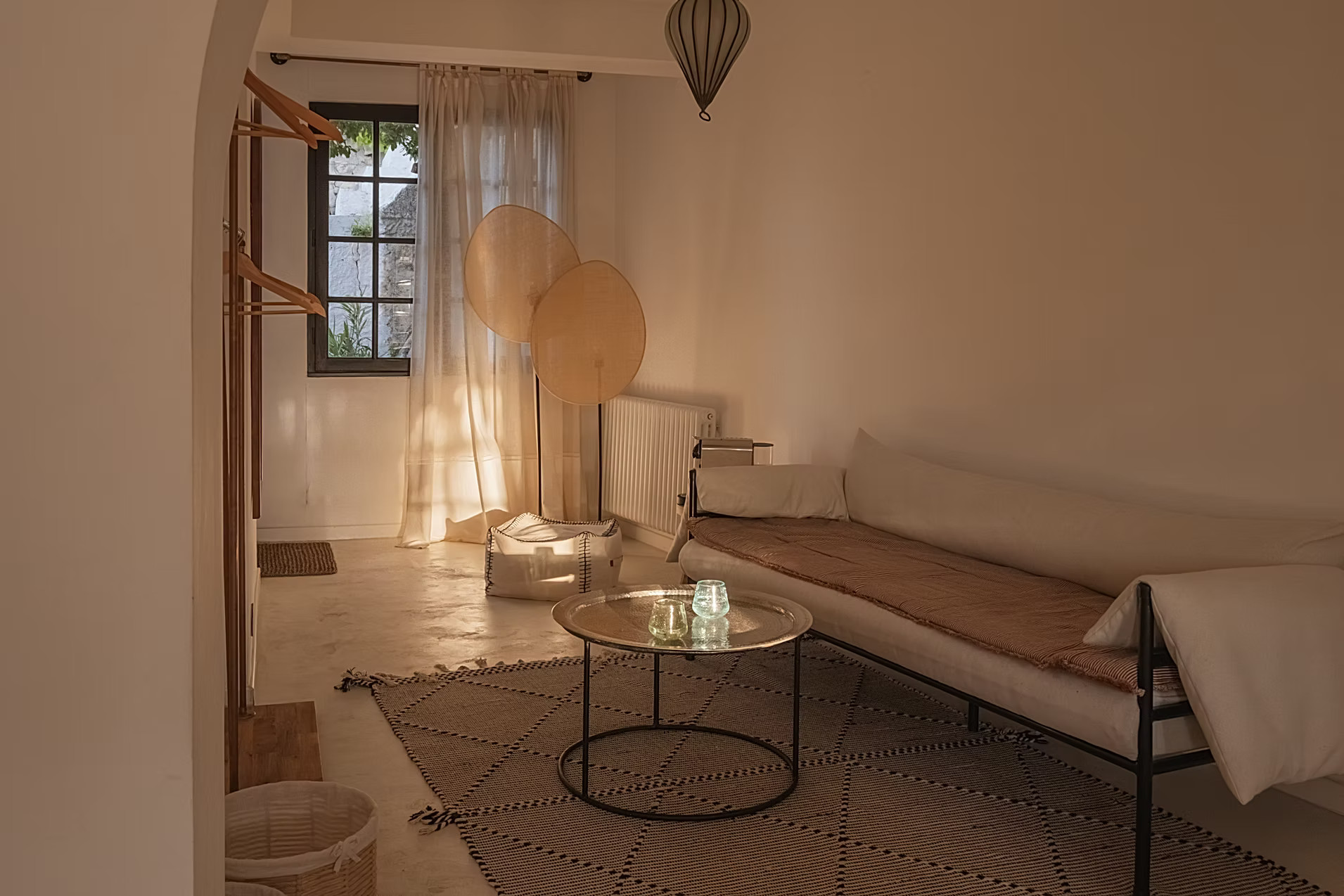
We particularly appreciate the choice of textiles. The natural linen cushions with their hand-stitched piping, the ochre velvet floor cushions, and the white curtains that open onto the sea are timeless elements that pay homage to Mediterranean craftsmanship.
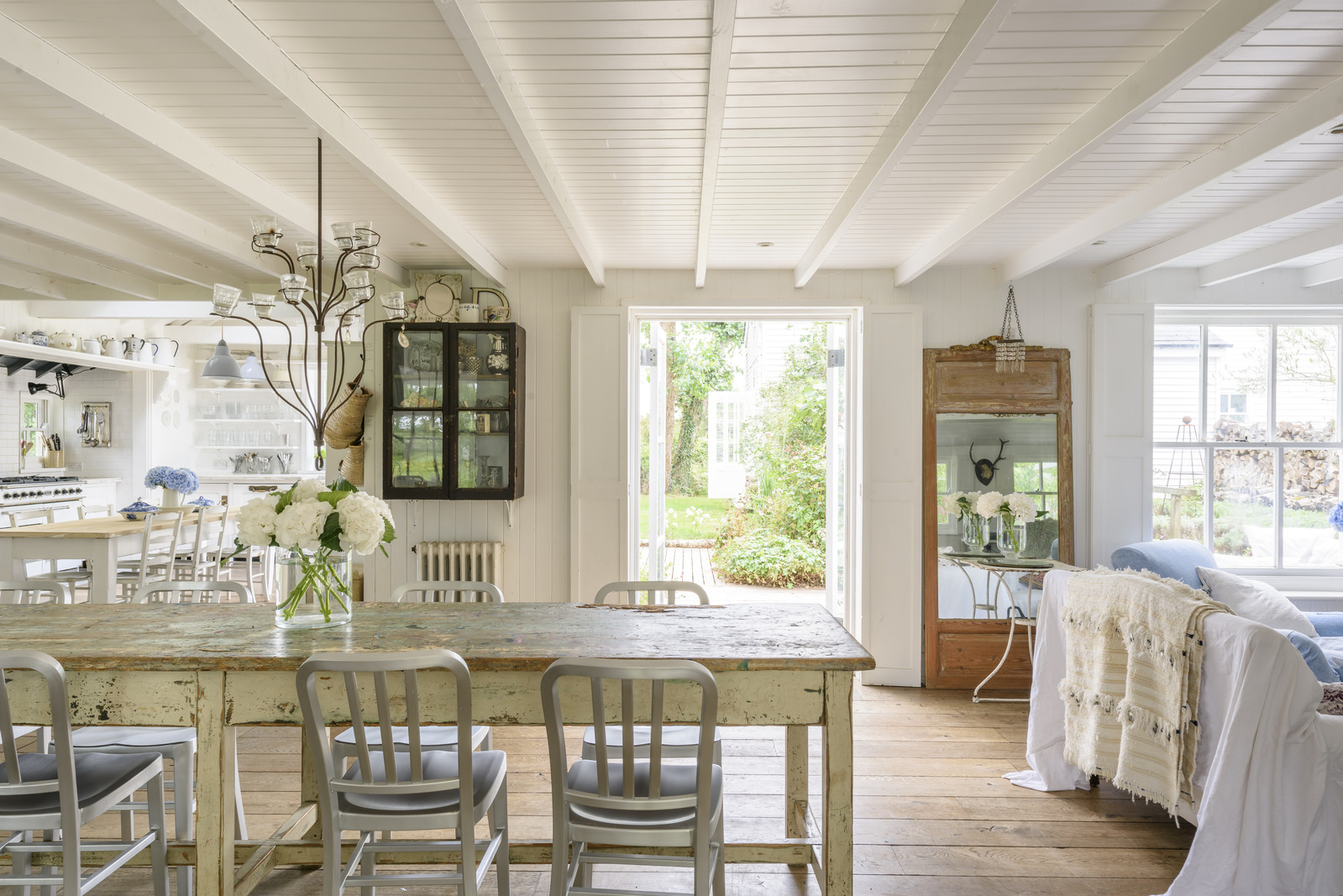
Its indoor dining room is a natural extension of the house’s aesthetic. The mirror framed in oriental zellige at the head of the wall, the wrought-iron chairs with white scrollwork, and the ceramic objects carefully arranged on the tables, everything speaks the same language.
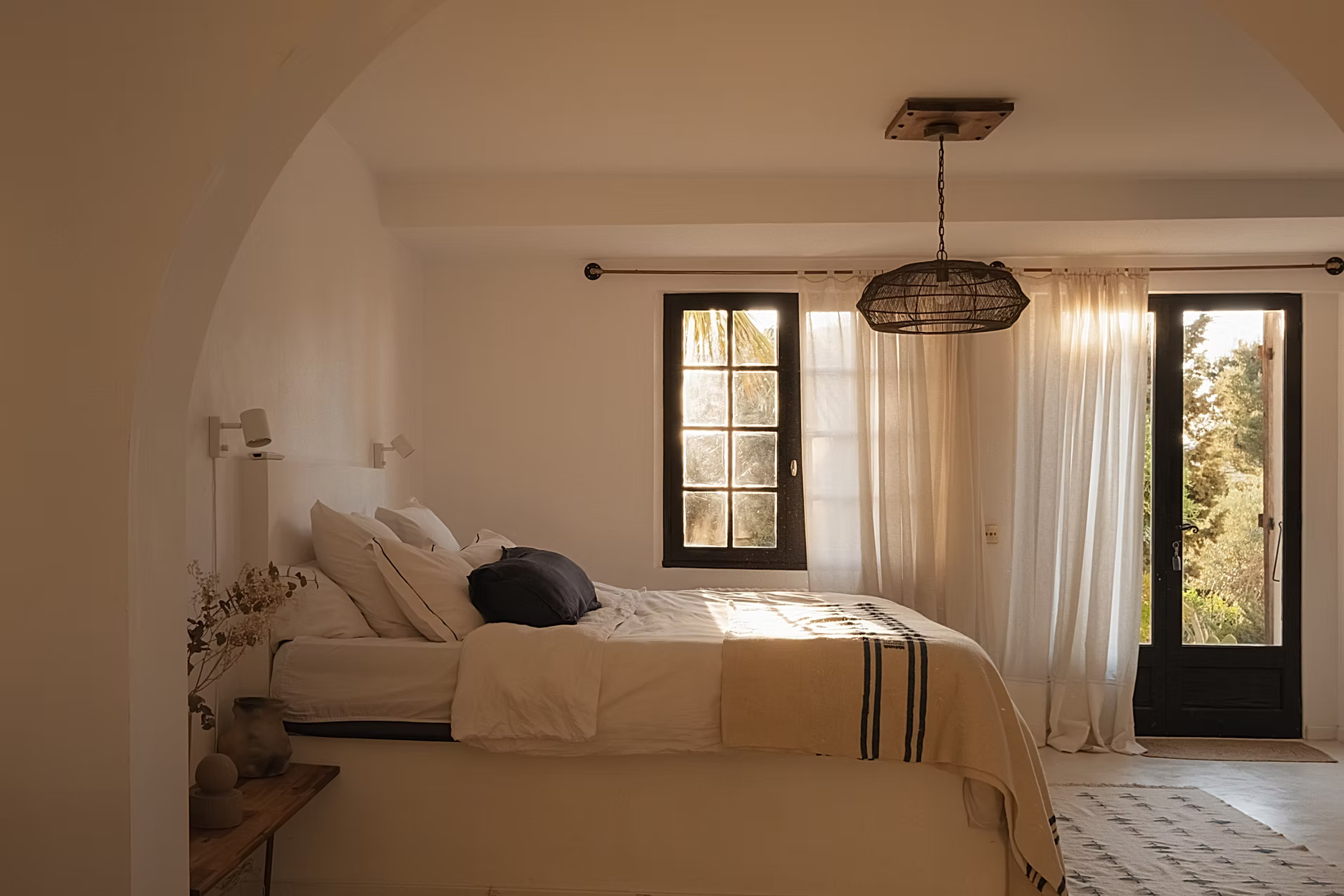
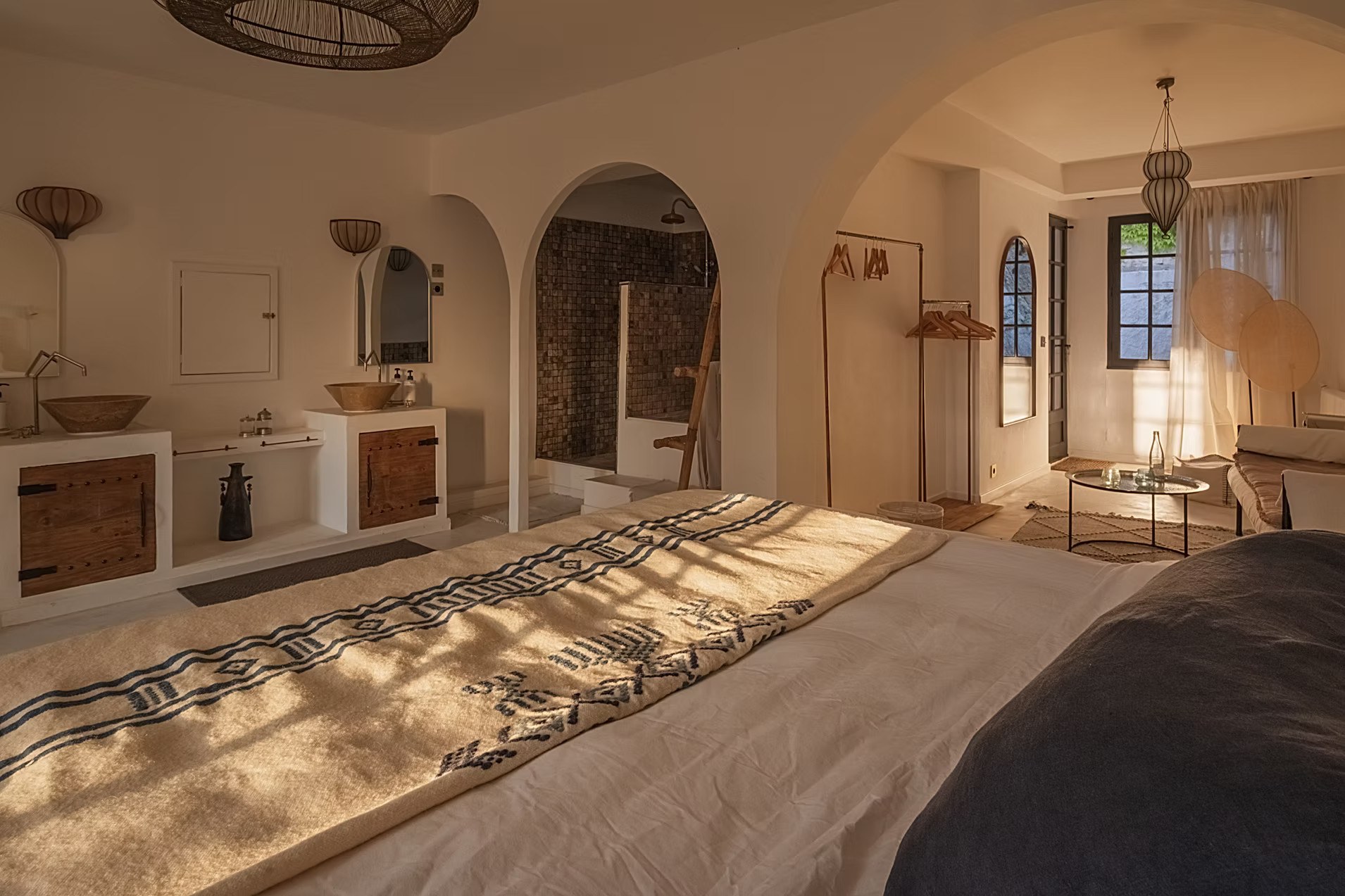
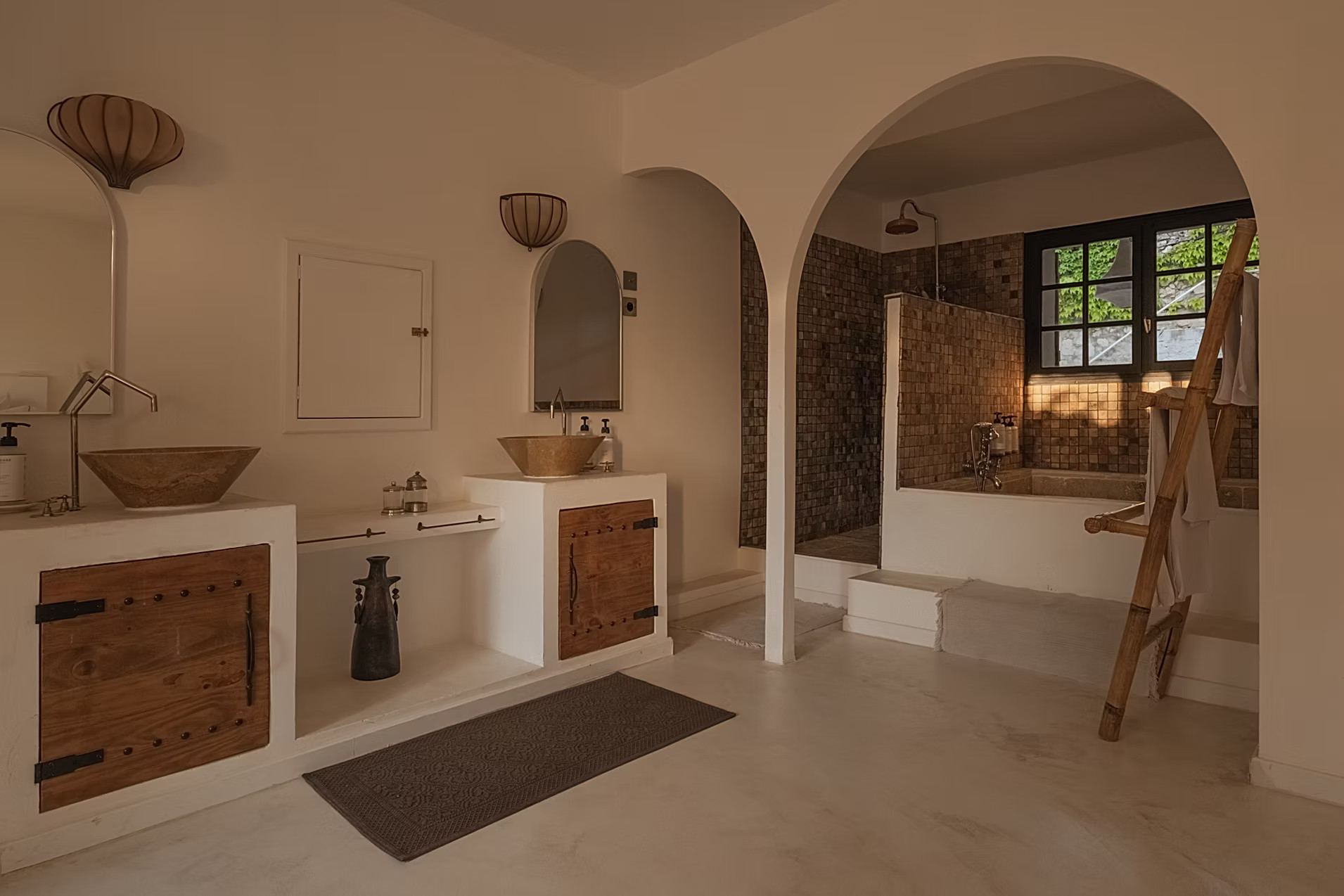
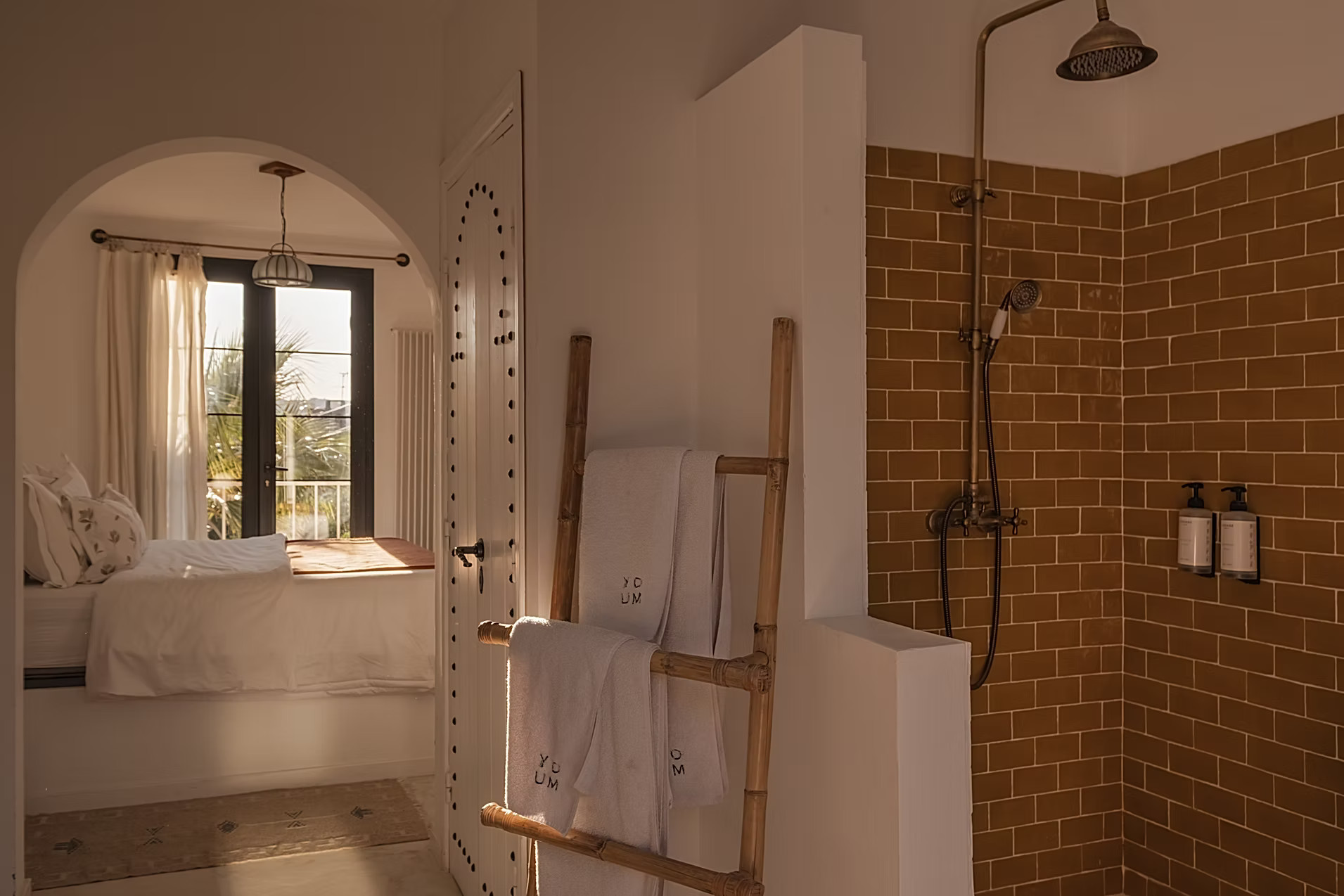
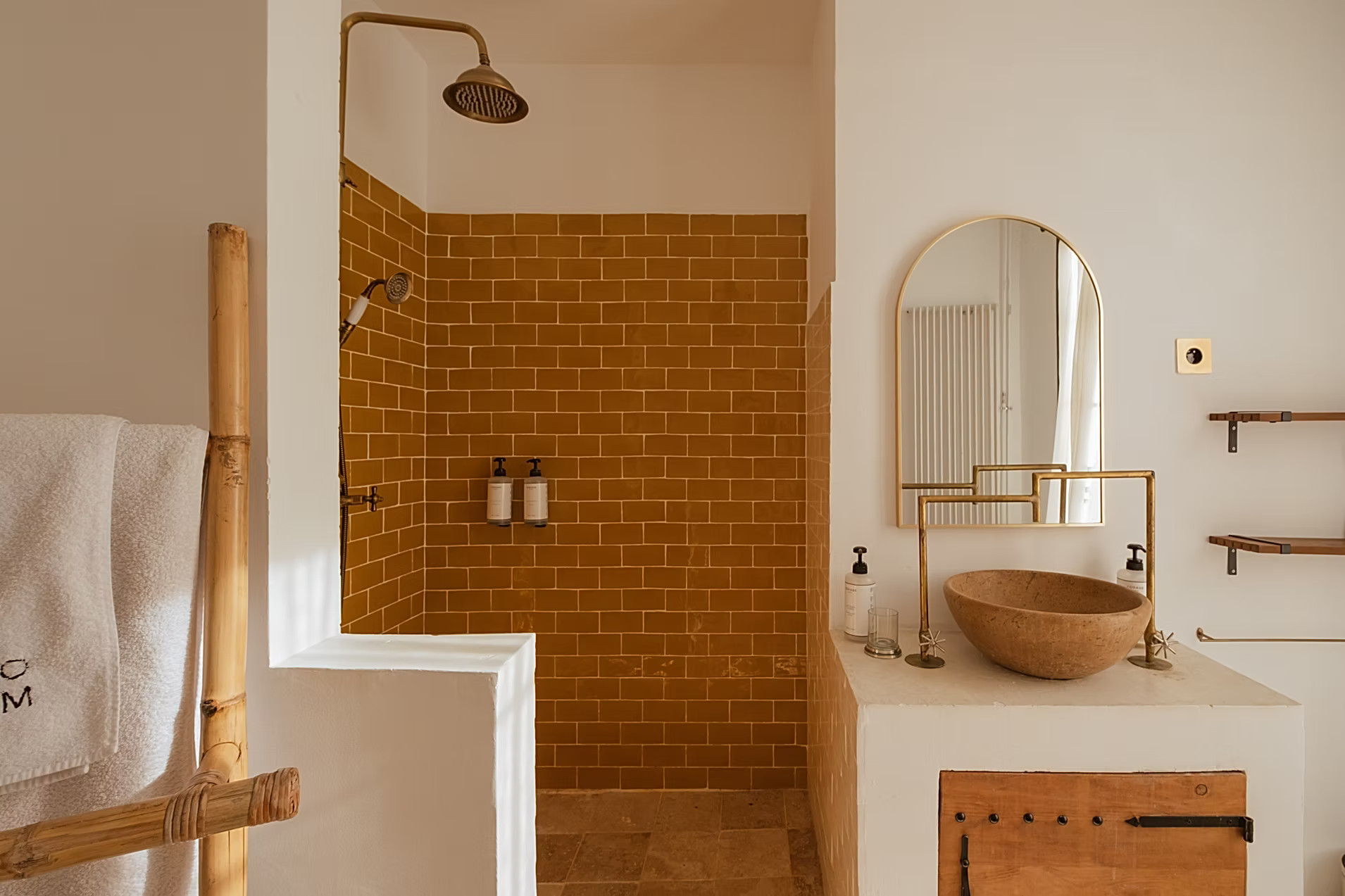
Terra Suite occupies the ground floor of this Provençal country house and opens directly onto the terrace. But it’s the bathroom that really catches the eye. The owners have designed it as a room in its own right, featuring two stone sinks set on a built-in vanity, doors made of reclaimed wood, and a walk-in shower clad in terracotta mosaics.
Two arches provide access to the shower area and the raised bathtub, inspired by the aesthetics of traditional Turkish baths. It is so beautifully designed that there’s no need to hide it, it serves as a natural extension of the bedroom. The solid bed is draped with a Berber textile throw featuring blue and white geometric patterns. The woven fiber pendant light above the bed and the oriental lanterns made of pleated fabric complete this understated ensemble.
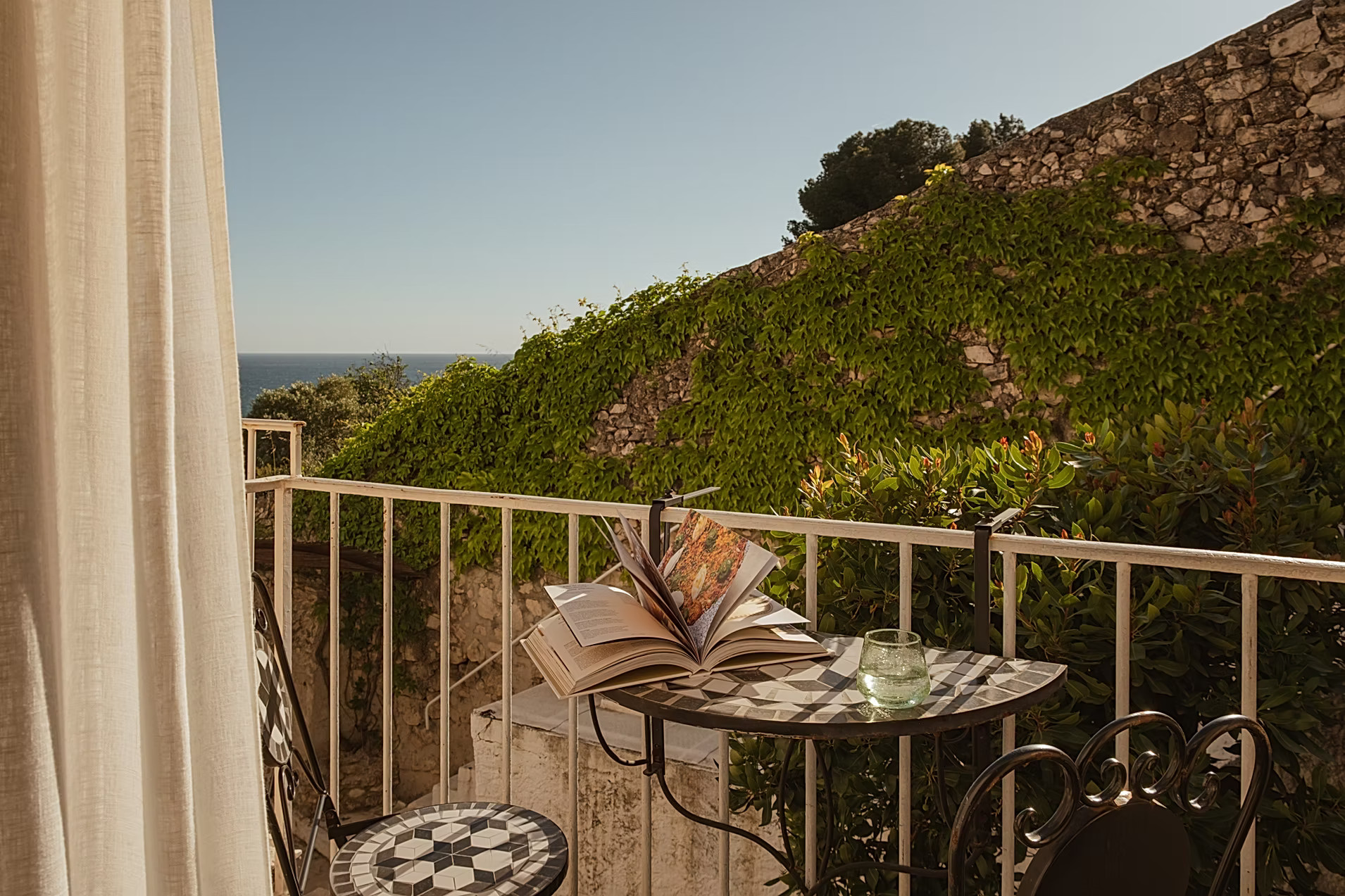
Upstairs, the two bedrooms have an atmosphere that is perfectly in line with the other rooms. The Sole Room embraces the sun, as its name so aptly suggests. Its warm ochre decor and whitewashed walls open onto a small balcony overlooking the pine trees and the sea. The Nube Room is decorated in light tones with minimalist furniture. It features a private terrace facing the magnificent seaside panorama. Each space has its own identity while remaining in harmony with the others.
Casa YOUM resembles those family homes in the south that have stood there for generations, the kind where people host evenings under the pergola and enjoy barbecues with the aroma of sardines caught that very morning. This house represents a certain idea of the good life, linked to ancient stone, the garrigue, and the sea.
What sets Casa YOUM apart is the way Amira and Édouard have infused it with their own personal touches. Here, the South of France doesn’t look like a picture-perfect postcard. It also evokes North Africa, Italy, and objects brought back from elsewhere and seamlessly integrated into an 1870s country house. It is a multifaceted and contemporary take on the Mediterranean dream.
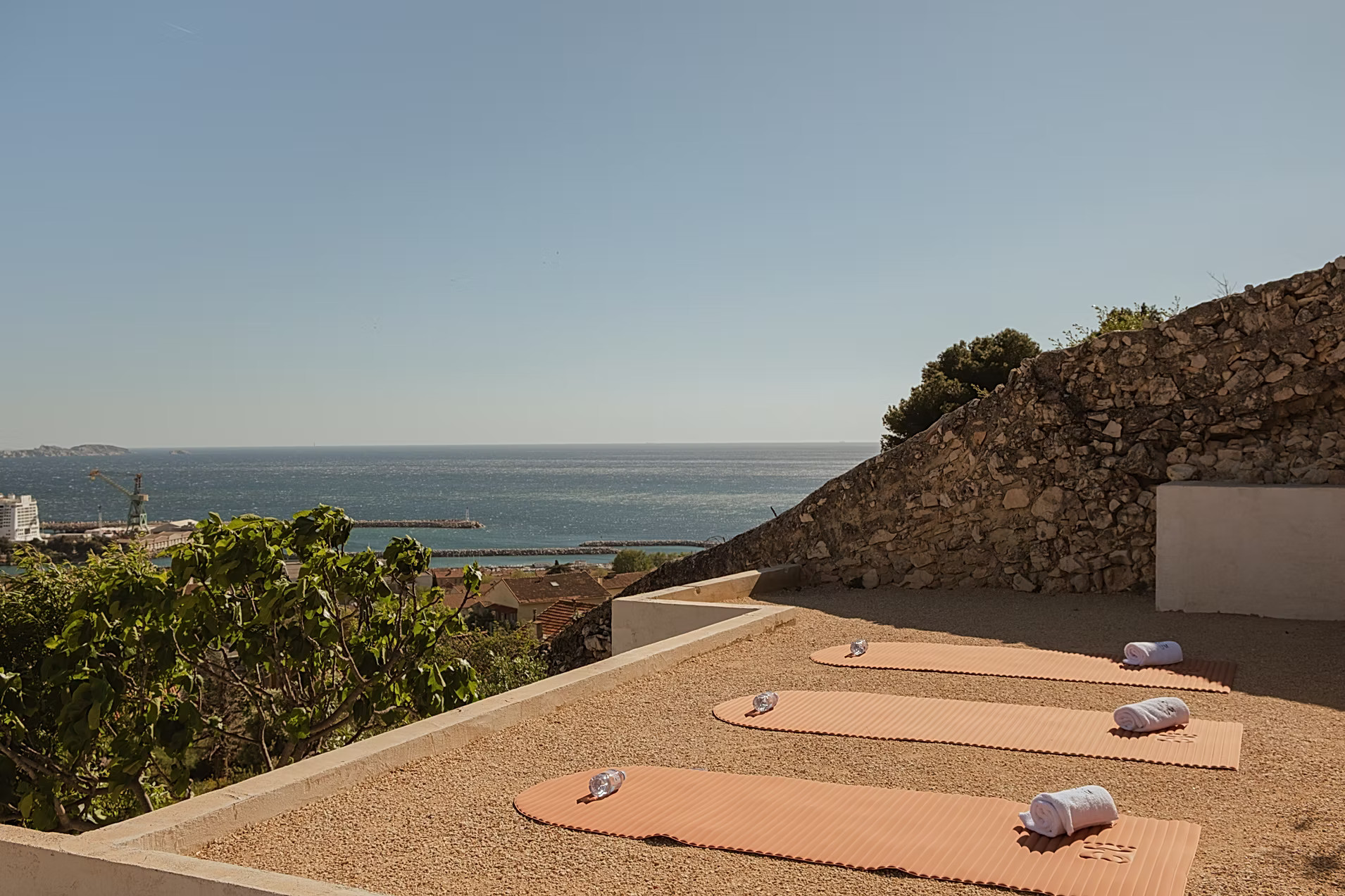
The terraced garden slopes down around the house to the edge of the garrigue. Fig trees, lavender, rosemary, palm trees, and agaves are scattered throughout the grounds. A path leads up to a Genoese tower perched atop the hill. The view from this vantage point is superb, overlooking the harbor of Marseille, the islands, and on clear days, the Côte Bleue stretching westward.
This tower adds an extra dimension to the place. It anchors the property in ancient history, that of a lookout point and a crossroads.
Casa YOUM also offers a table d’hôtes reserved for guests, with dinner prepared by Amira and Édouard. In the summer, a guest chef opens the table to non-residents. In 2026, Chef Khouloude will settle here for the season.
Casa YOUM embraces its influences, and its seclusion. Its owners live on-site with their family, because where could they be better off than here, in this stunning house with this view? Being able to stay here, even for just a few days, is an experience that would tempt anyone. Don’t you agree?

You can stay at Casa Youm, this Provençal country house overlooking the sea in Marseille, by clicking on this link
L’Estaque overlooking the Mediterranean
The Estaque neighborhood isn’t the most touristy part of Marseille. There’s no Old Port, no crowded calanques, and no café terraces on the Canebière. It’s an old fishing village with narrow streets that wind down toward the sea. And that’s what has preserved it.
Cézanne stayed there several times between 1870 and 1886. He was seeking that particular light, white and harsh, which differed from that of Aix-en-Provence. He painted the sea from the heights, simplified the forms, and played with the shadows cast on the white walls. Amira Tarhouni and Édouard Méchin drew on these elements, color, light, and raw materials, to create the house.
Discover Casa YOUM
From the outside, the building has a classic appearance. The white walls, the canal-style tiled roof, the terracotta brick arches on the ground floor, and the wooden shutters are hallmarks of the region. Lush vegetation surrounds the pool, a climbing vine covers the pergola, and fig trees stand tall in the terraced garden.
The swimming pool, rectangular and understated, opens directly onto the gulf. You swim facing Marseille, facing the Frioul Islands and a dreamlike horizon. No vegetation blocks the view, which stretches out into the distance.
When Tunisia meets Provence and Italy
Inside, the interior design is based on a simple idea. Amira is from Tunisia, and Édouard is from southern Italy. They chose neither to erase their origins nor to reduce them to clichés. The result strikes a balance between Provençal minimalism and the Mediterranean warmth of the Maghreb and southern Italy.
The whitewashed walls have a rough texture. This irregular surface captures the light, giving the spaces a raw, unpolished quality. Shadows dance across these surfaces throughout the day.
The furniture is equally diverse. White wrought-iron chairs, a table covered with a checkered tablecloth, a low bench with honey-colored quilted cushions, nothing comes from a single source, yet everything coexists harmoniously.
We particularly appreciate the choice of textiles. The natural linen cushions with their hand-stitched piping, the ochre velvet floor cushions, and the white curtains that open onto the sea are timeless elements that pay homage to Mediterranean craftsmanship.
Its indoor dining room is a natural extension of the house’s aesthetic. The mirror framed in oriental zellige at the head of the wall, the wrought-iron chairs with white scrollwork, and the ceramic objects carefully arranged on the tables, everything speaks the same language.
The Terra Suite with its large bathroom
Terra Suite occupies the ground floor of this Provençal country house and opens directly onto the terrace. But it’s the bathroom that really catches the eye. The owners have designed it as a room in its own right, featuring two stone sinks set on a built-in vanity, doors made of reclaimed wood, and a walk-in shower clad in terracotta mosaics.
Two arches provide access to the shower area and the raised bathtub, inspired by the aesthetics of traditional Turkish baths. It is so beautifully designed that there’s no need to hide it, it serves as a natural extension of the bedroom. The solid bed is draped with a Berber textile throw featuring blue and white geometric patterns. The woven fiber pendant light above the bed and the oriental lanterns made of pleated fabric complete this understated ensemble.
Other bedrooms
Upstairs, the two bedrooms have an atmosphere that is perfectly in line with the other rooms. The Sole Room embraces the sun, as its name so aptly suggests. Its warm ochre decor and whitewashed walls open onto a small balcony overlooking the pine trees and the sea. The Nube Room is decorated in light tones with minimalist furniture. It features a private terrace facing the magnificent seaside panorama. Each space has its own identity while remaining in harmony with the others.
A Provençal country house that embodies a Mediterranean ideal
Casa YOUM resembles those family homes in the south that have stood there for generations, the kind where people host evenings under the pergola and enjoy barbecues with the aroma of sardines caught that very morning. This house represents a certain idea of the good life, linked to ancient stone, the garrigue, and the sea.
What sets Casa YOUM apart is the way Amira and Édouard have infused it with their own personal touches. Here, the South of France doesn’t look like a picture-perfect postcard. It also evokes North Africa, Italy, and objects brought back from elsewhere and seamlessly integrated into an 1870s country house. It is a multifaceted and contemporary take on the Mediterranean dream.
The garden and the Genoese tower
The terraced garden slopes down around the house to the edge of the garrigue. Fig trees, lavender, rosemary, palm trees, and agaves are scattered throughout the grounds. A path leads up to a Genoese tower perched atop the hill. The view from this vantage point is superb, overlooking the harbor of Marseille, the islands, and on clear days, the Côte Bleue stretching westward.
This tower adds an extra dimension to the place. It anchors the property in ancient history, that of a lookout point and a crossroads.
The Table d’Hôtes
Casa YOUM also offers a table d’hôtes reserved for guests, with dinner prepared by Amira and Édouard. In the summer, a guest chef opens the table to non-residents. In 2026, Chef Khouloude will settle here for the season.
What stands out about this Provençal country house
Casa YOUM embraces its influences, and its seclusion. Its owners live on-site with their family, because where could they be better off than here, in this stunning house with this view? Being able to stay here, even for just a few days, is an experience that would tempt anyone. Don’t you agree?


You can stay at Casa Youm, this Provençal country house overlooking the sea in Marseille, by clicking on this link


Comments