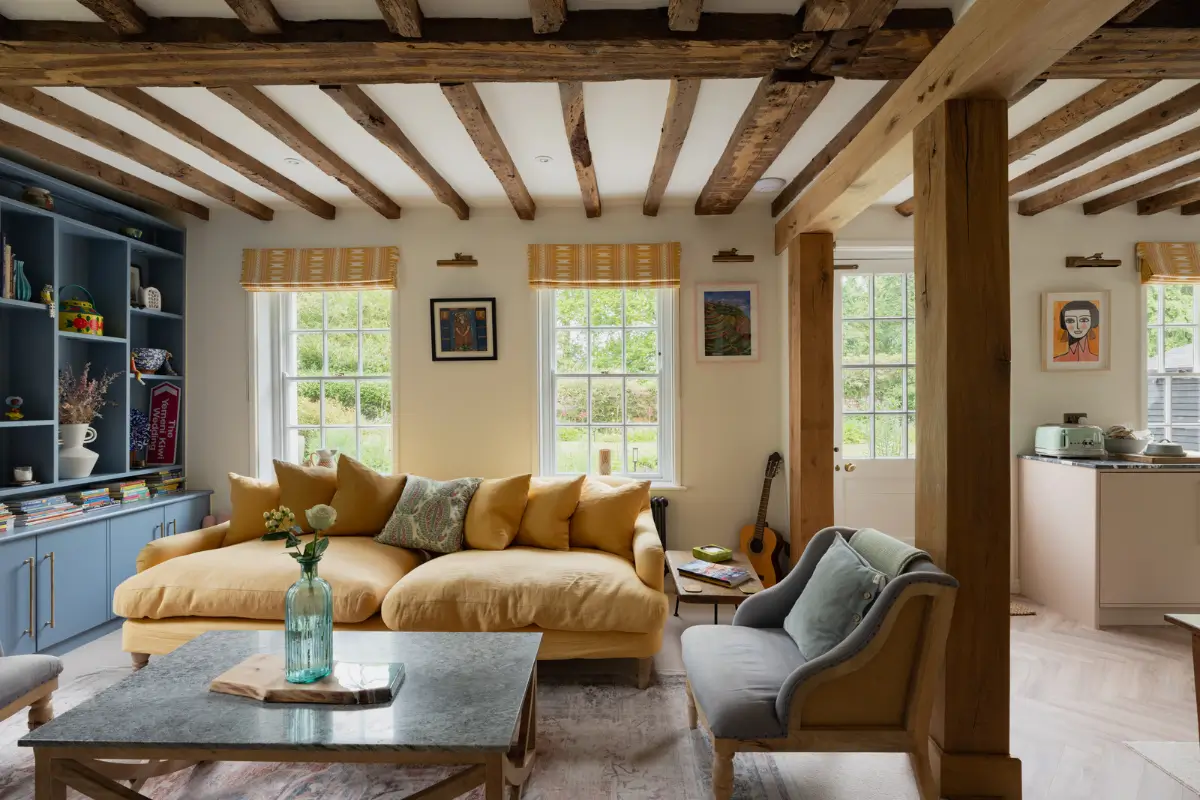
A listed 16th-century house in the heart of Sussex
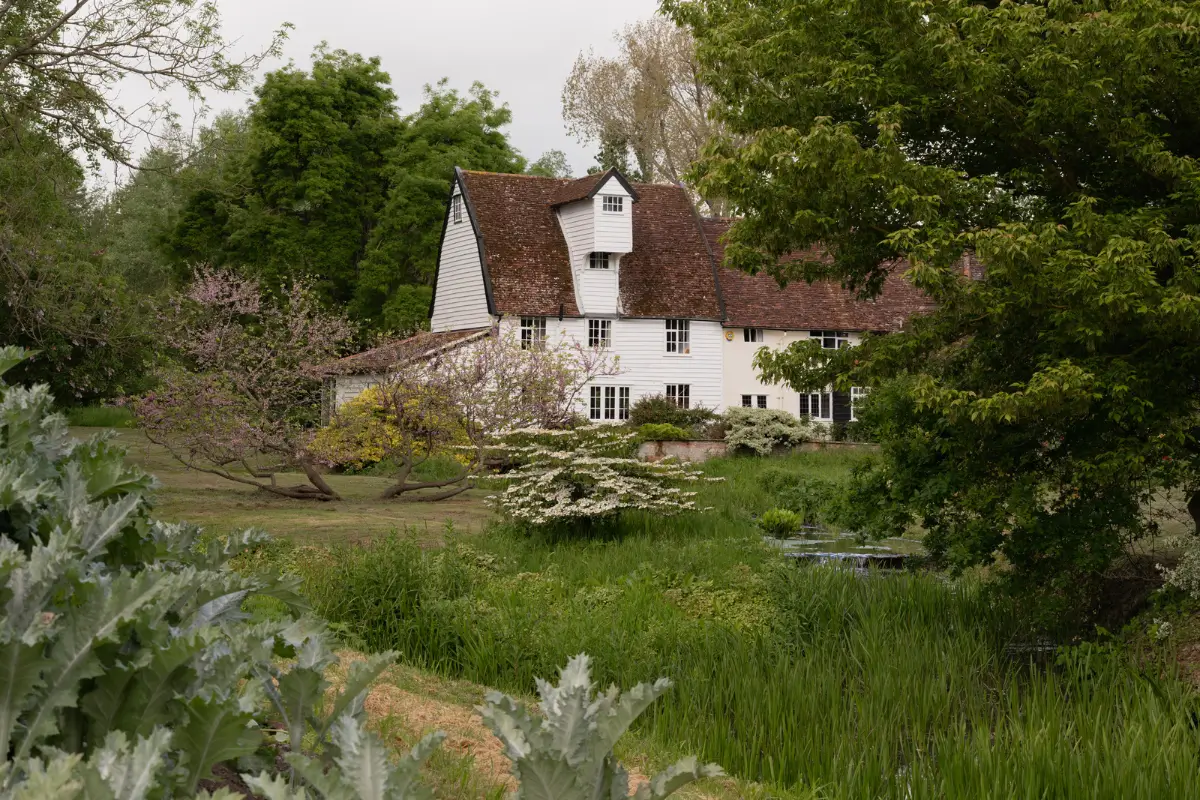
Follow Planète Déco on Google — add us to your favourites to keep our decor articles in your news feedIn Playden, near Rye, Ship Cottage is a 16th-century house built in 1576 and surrounded by a magnificent English garden
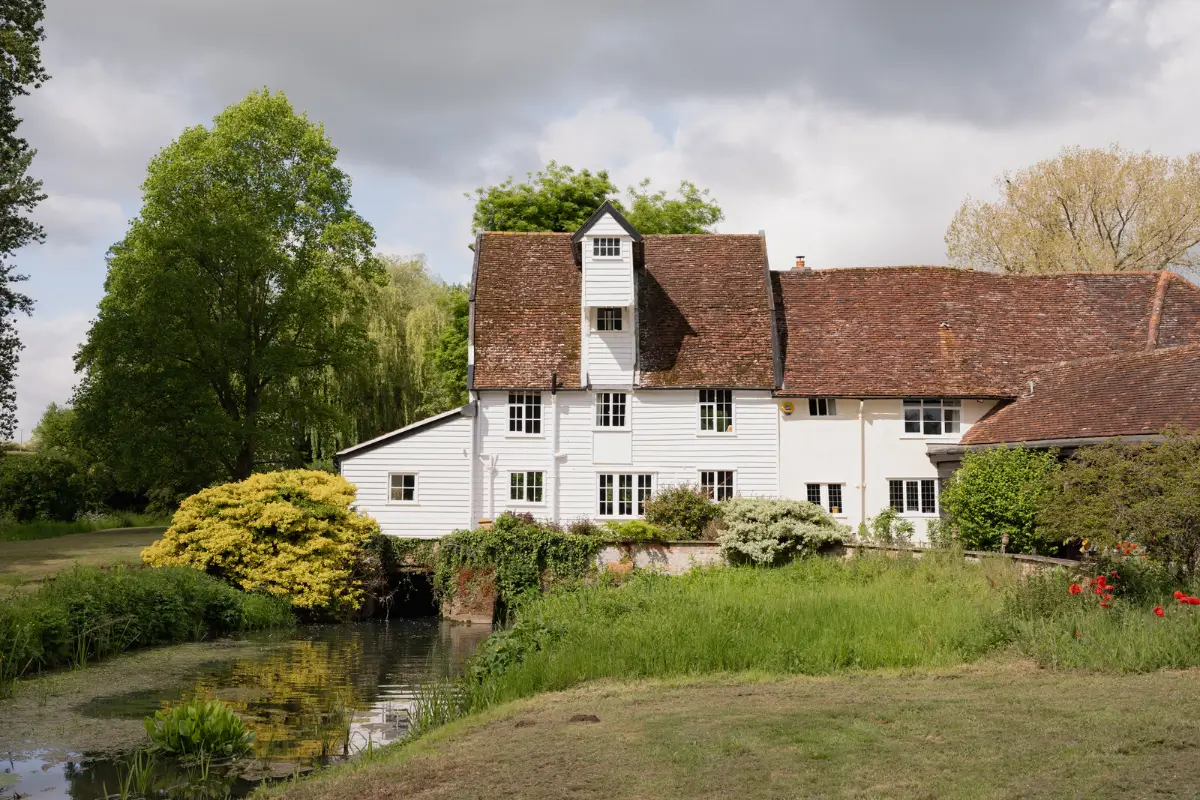
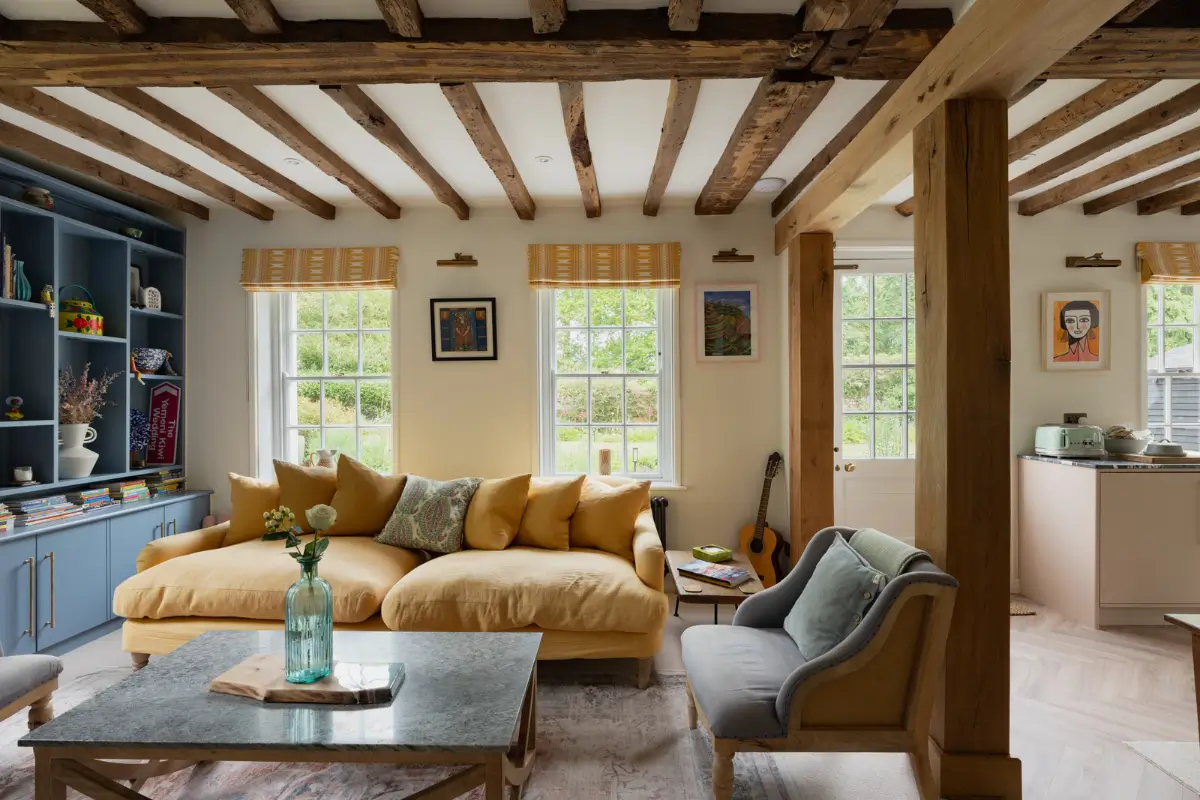
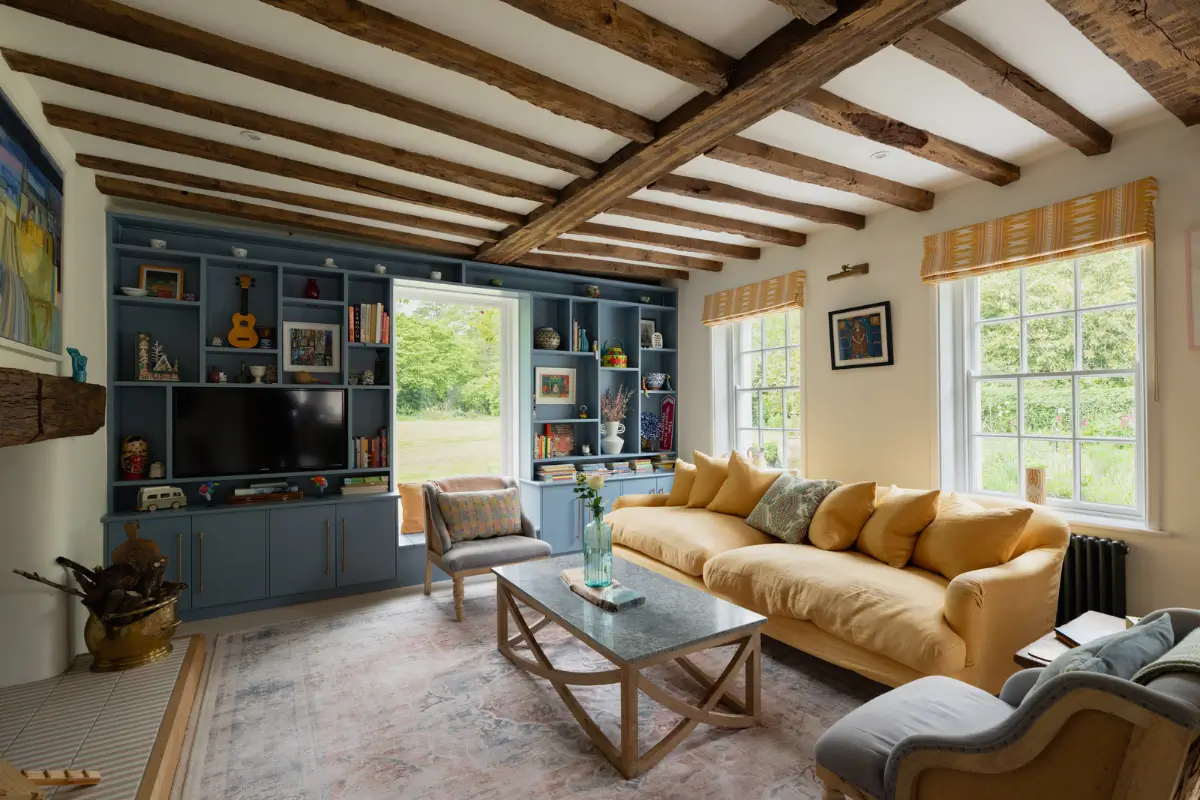
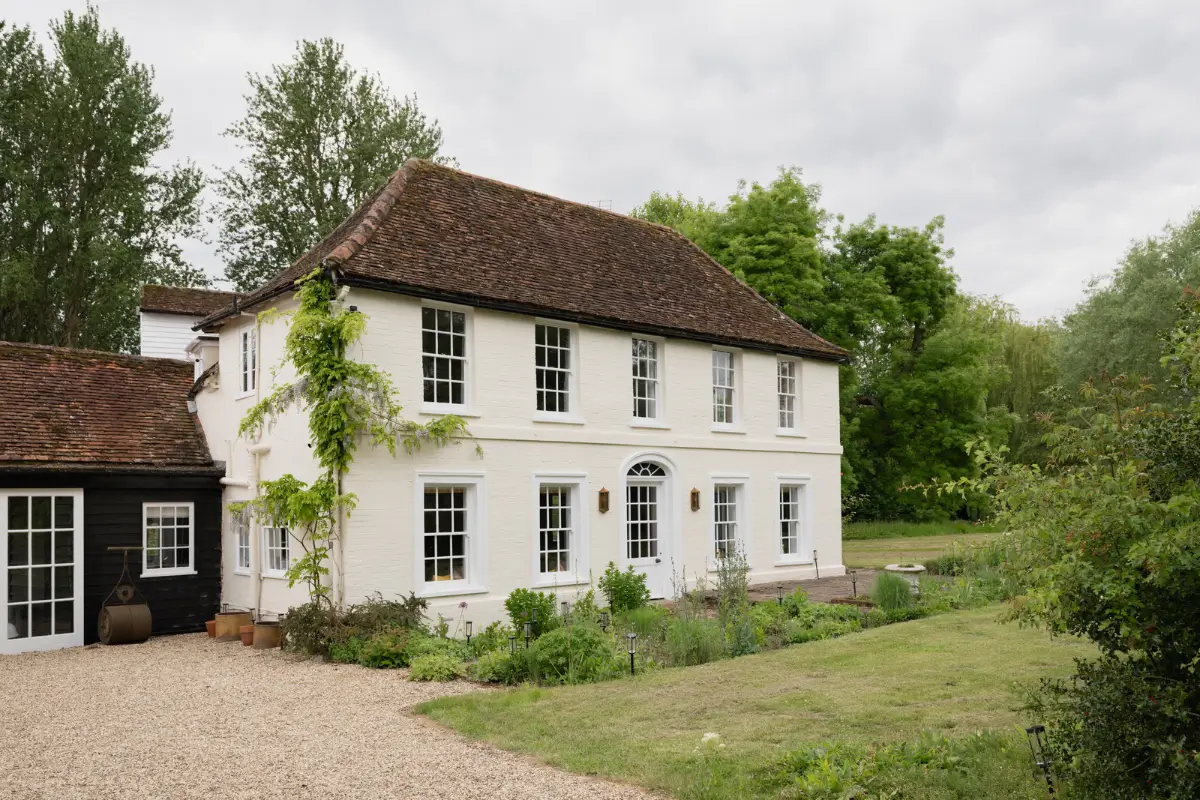
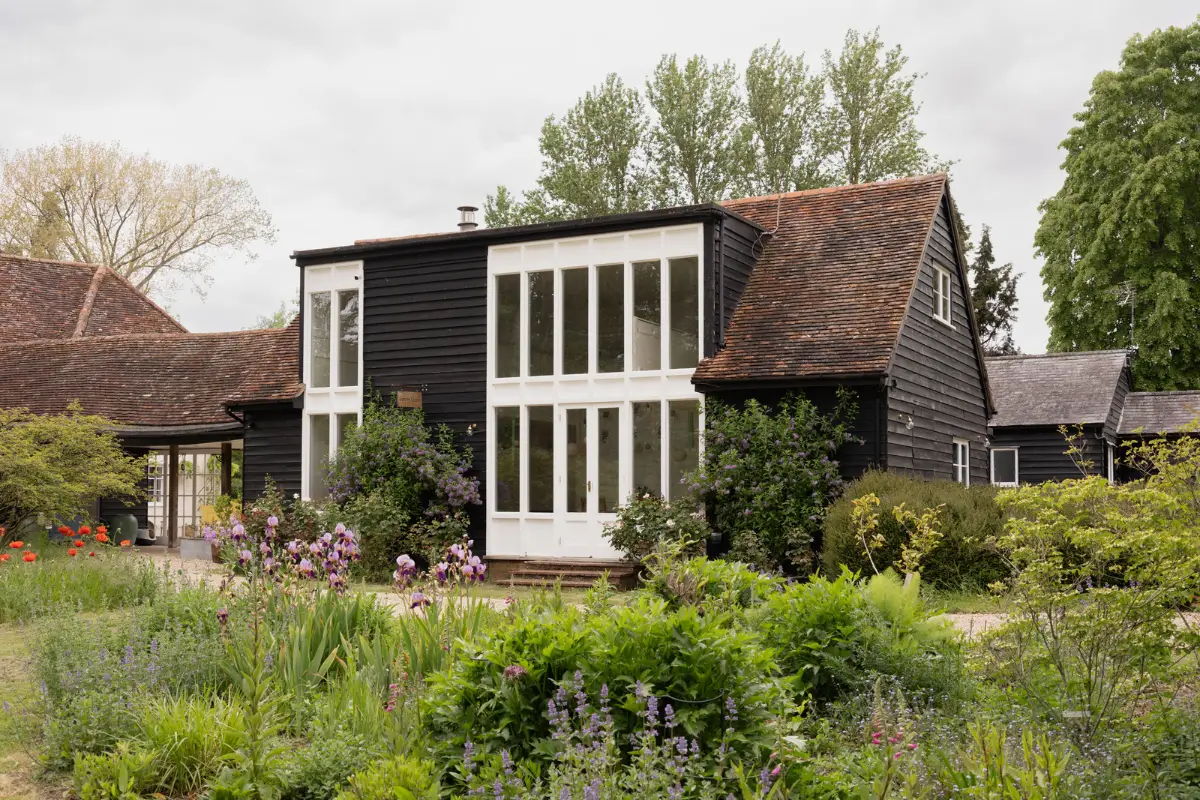
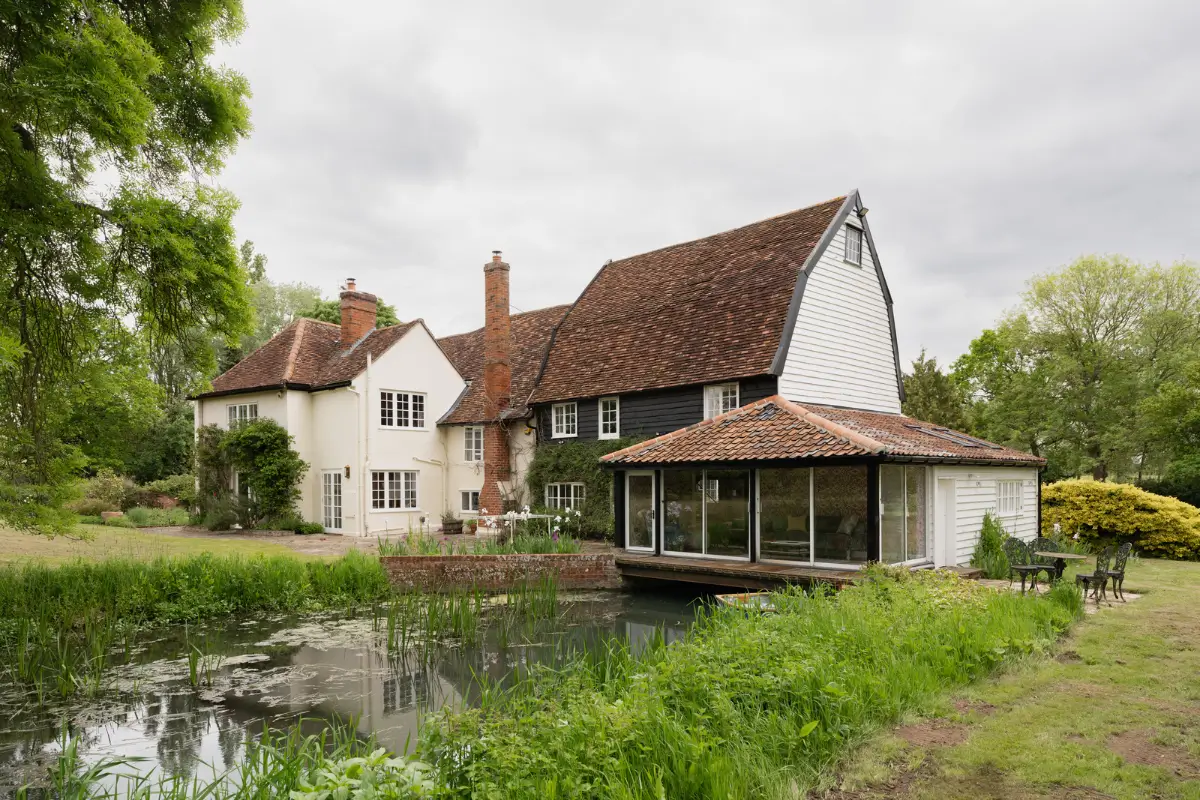
North of Rye, in the Sussex countryside, a hedge-lined driveway leads to Ship Cottage. This 16th-century house is a Grade II listed building. Parts of it date back to 1576. Successive owners added extensions in the 18th, 19th, and 20th centuries while preserving its original charm. Its exposed beams, antique fireplaces, and small-paned windows tell the story of four centuries of history.
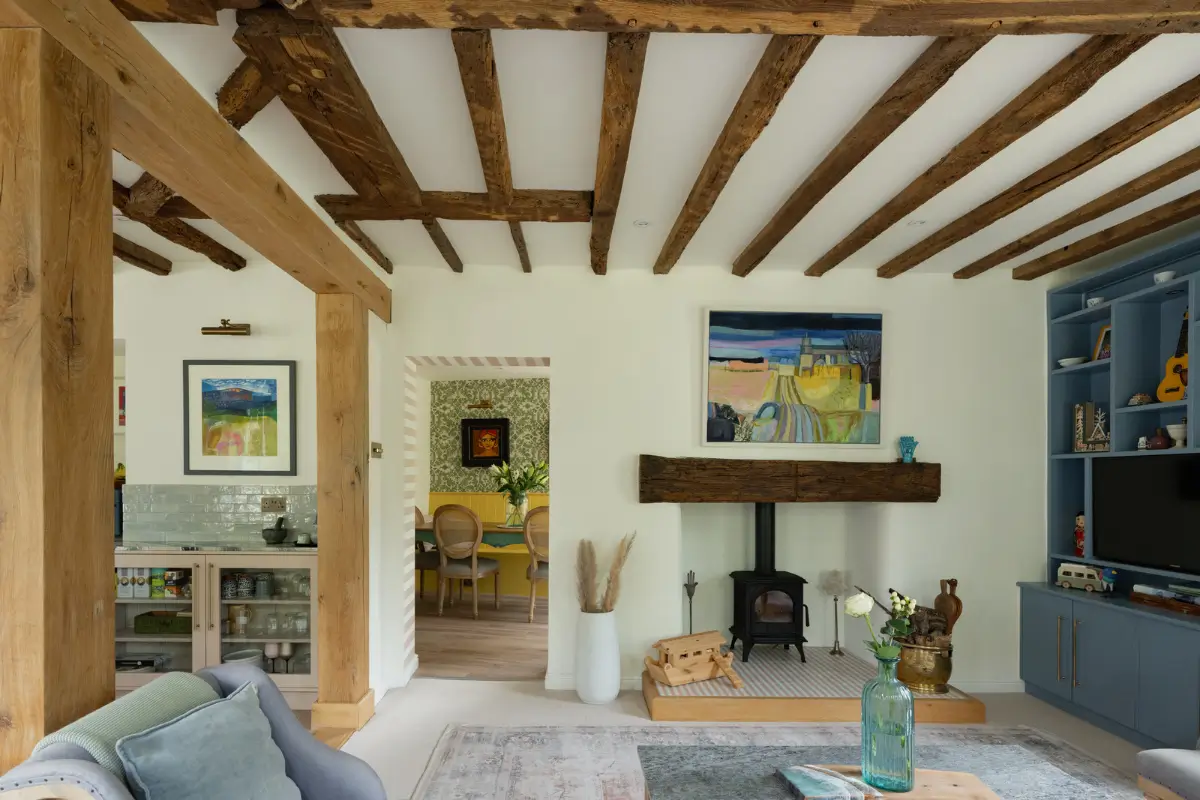
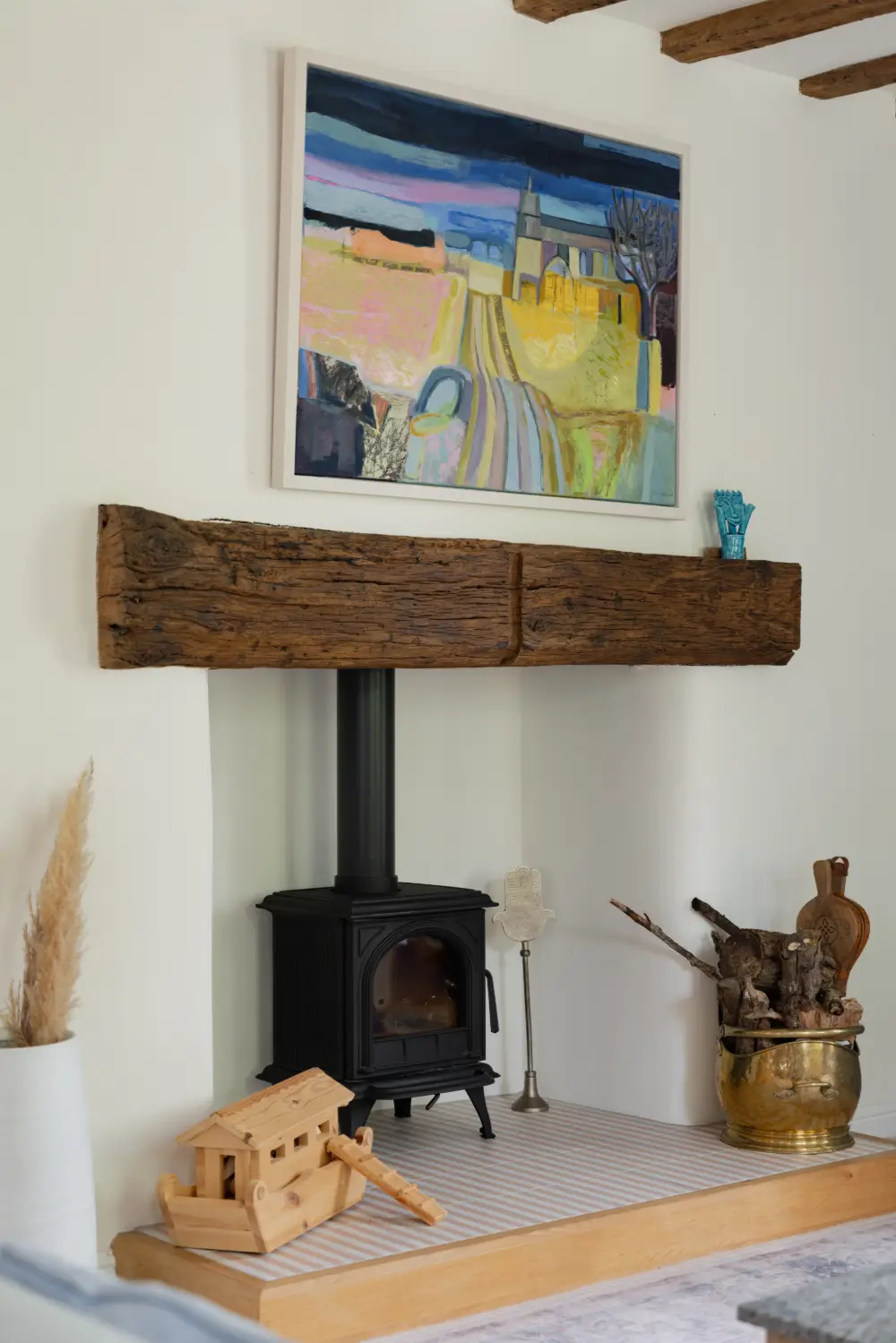
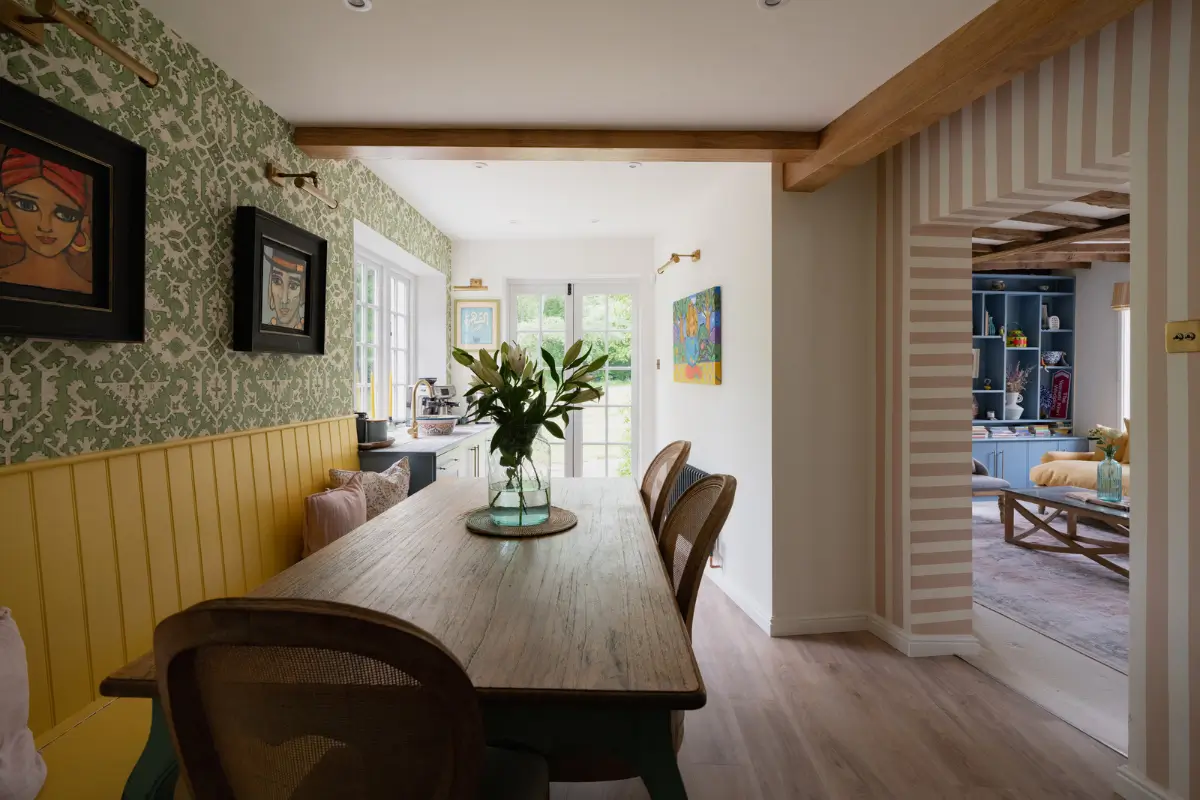
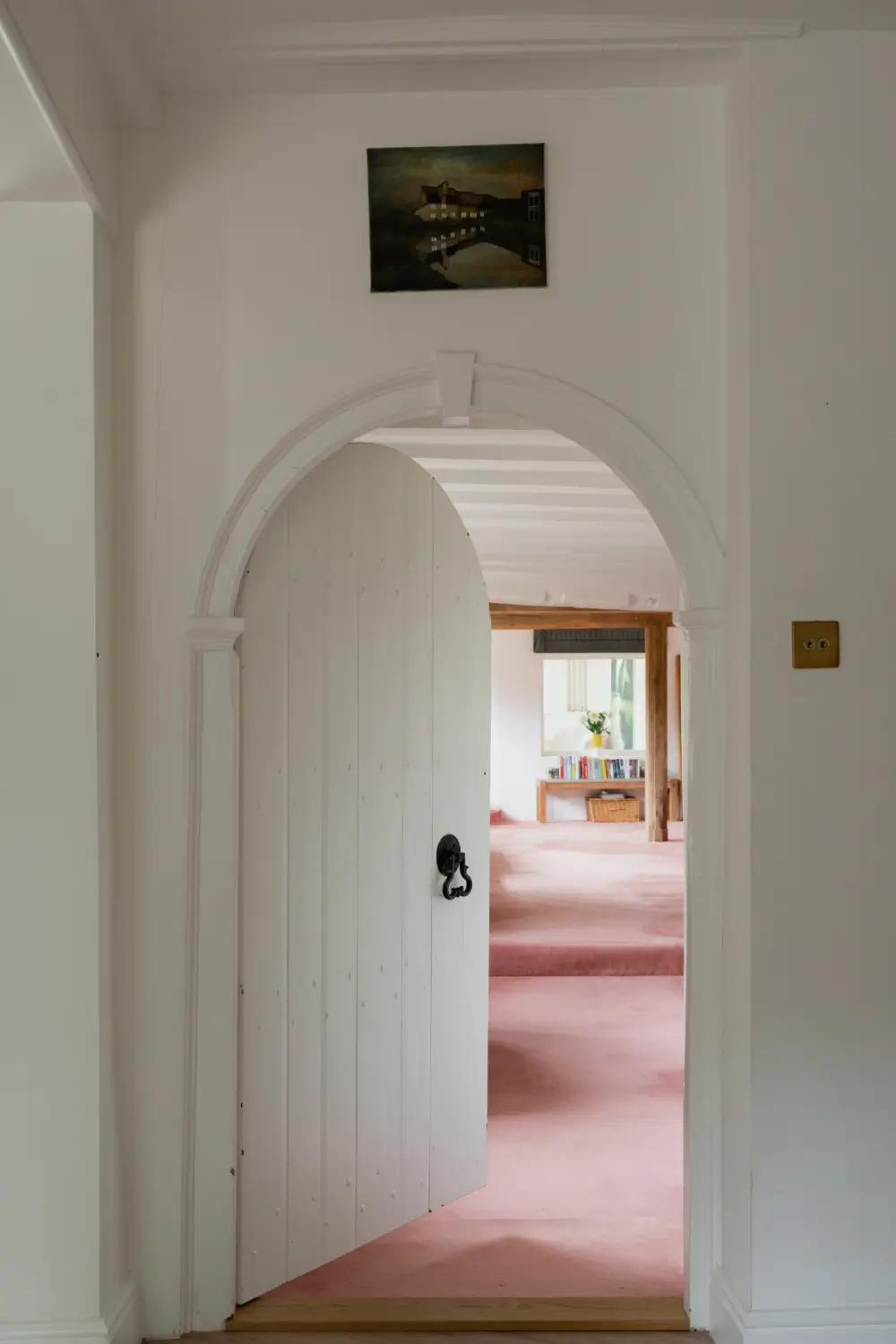
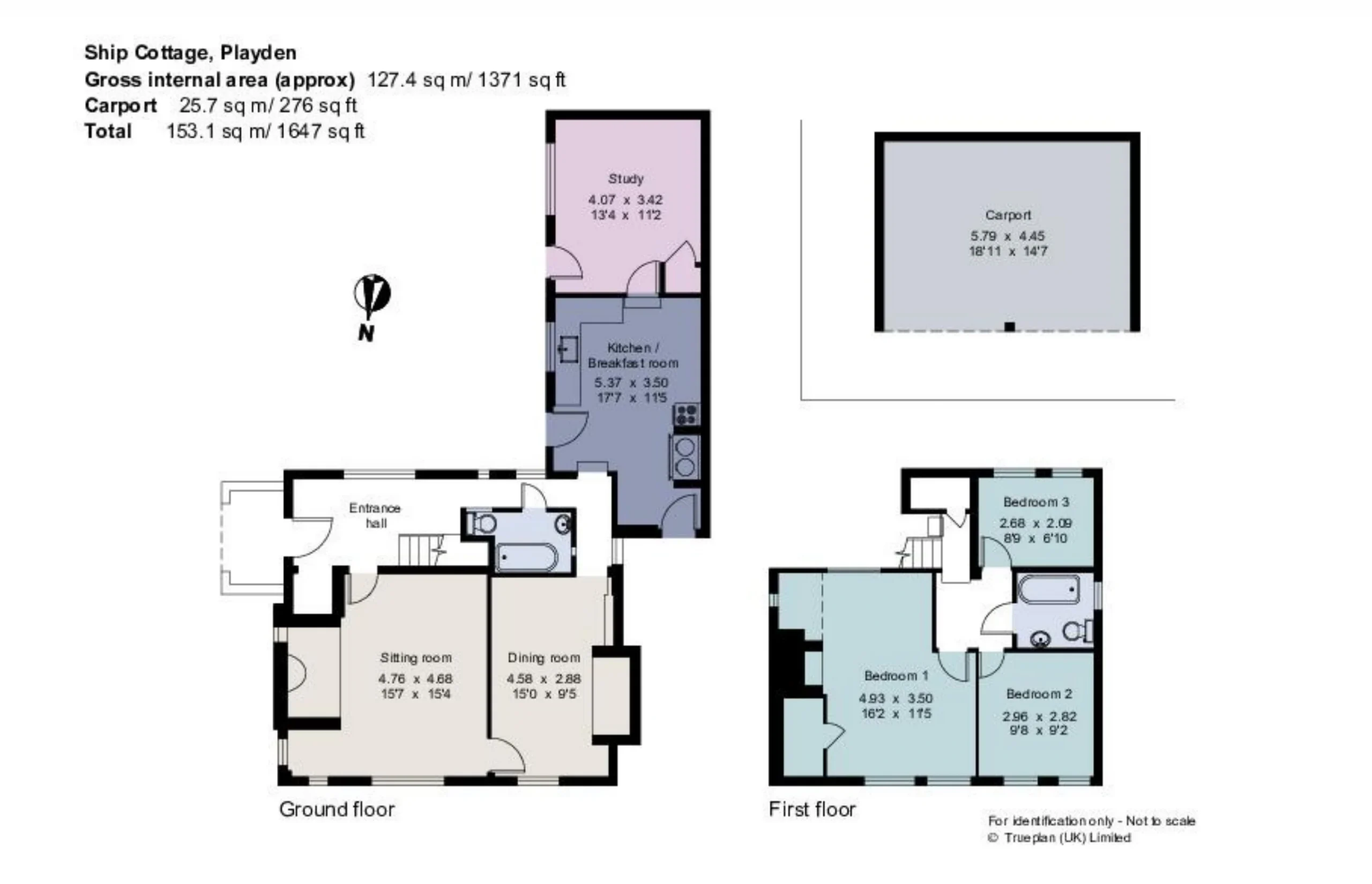
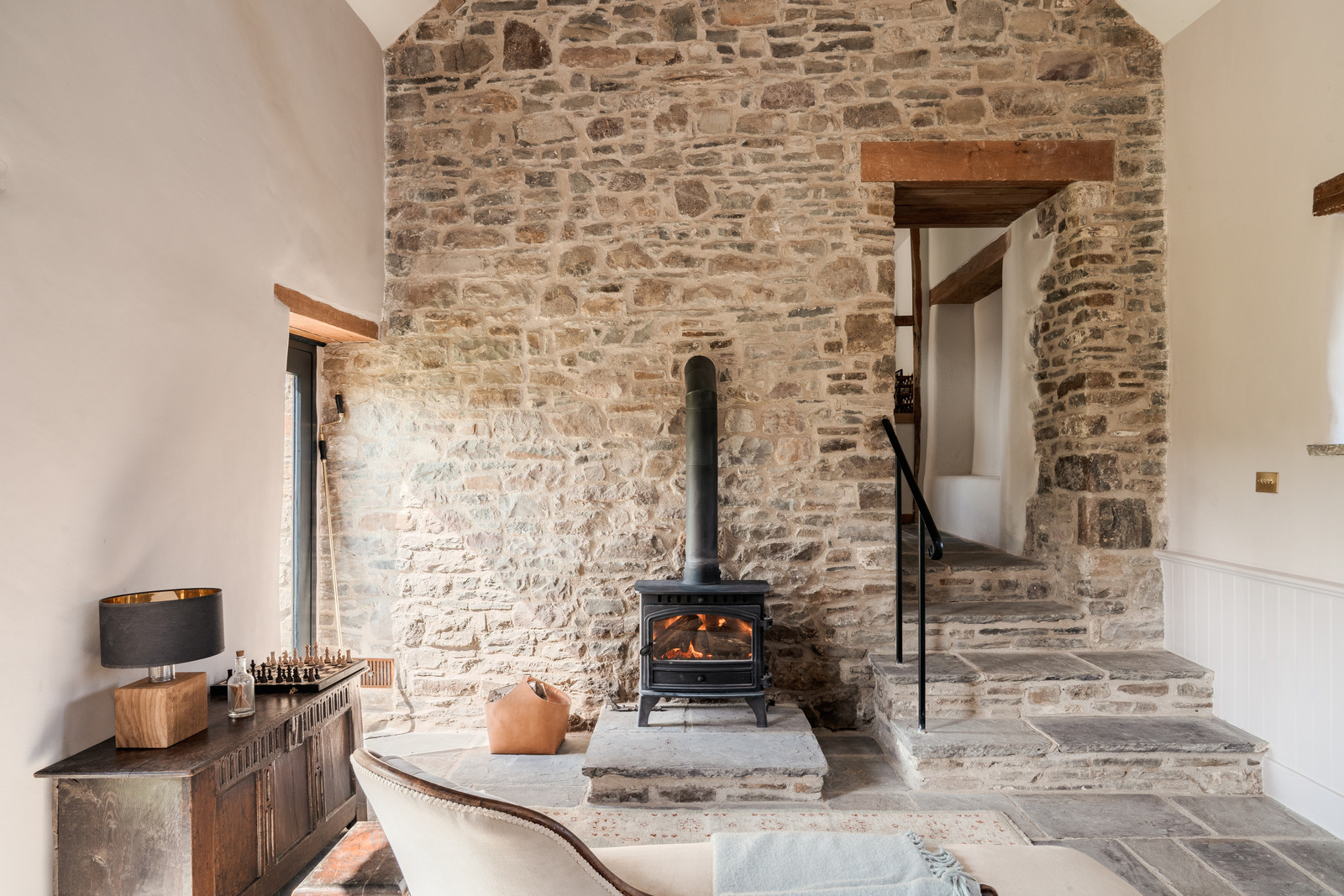
The house’s floor plan remains true to its original architecture. Its vaulted entrance hall, partially paneled, leads to the main rooms. The living room and dining room occupy the oldest part of the building. Each has its own fireplace and wood-burning stove. The small-paned windows open onto the garden and let in soft light, filtered by the surrounding greenery.
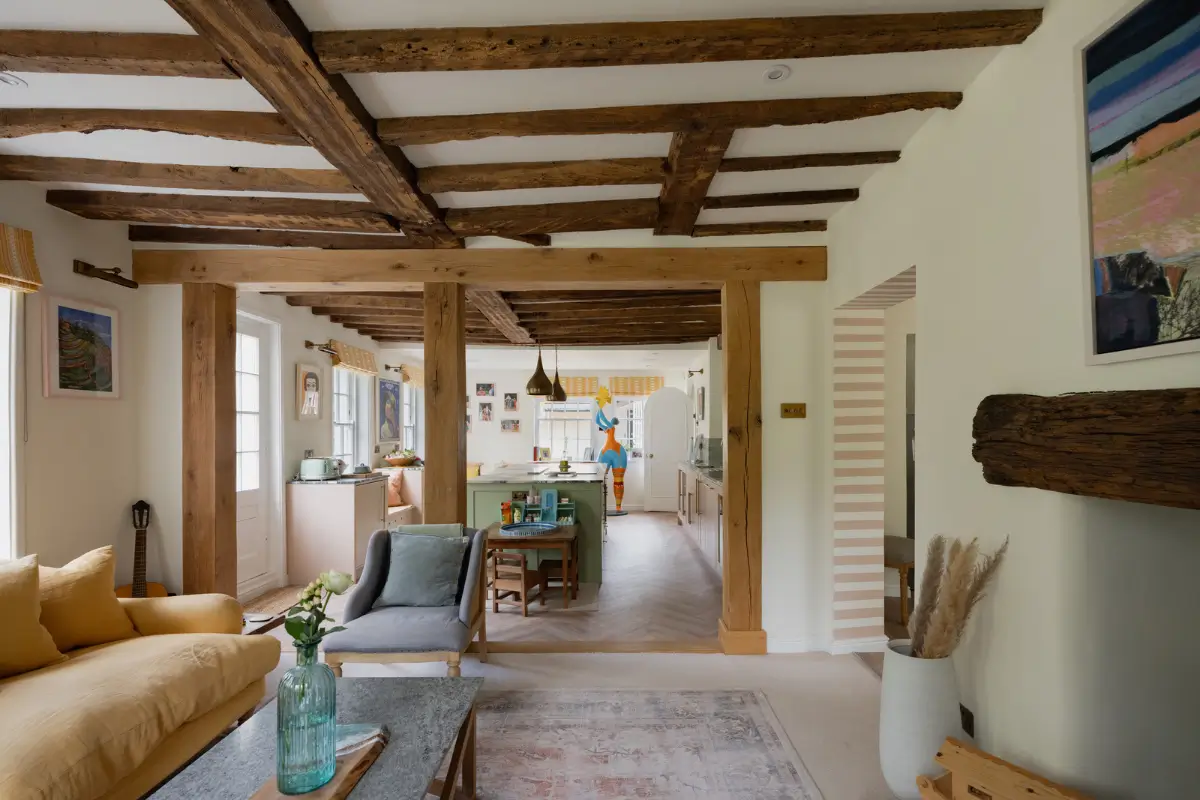
This layout of partitioned rooms contrasts with the open-concept interiors that dominate today. It preserves the privacy of each space and respects the original structural logic, rather than sacrificing the historic volumes to a contemporary trend.
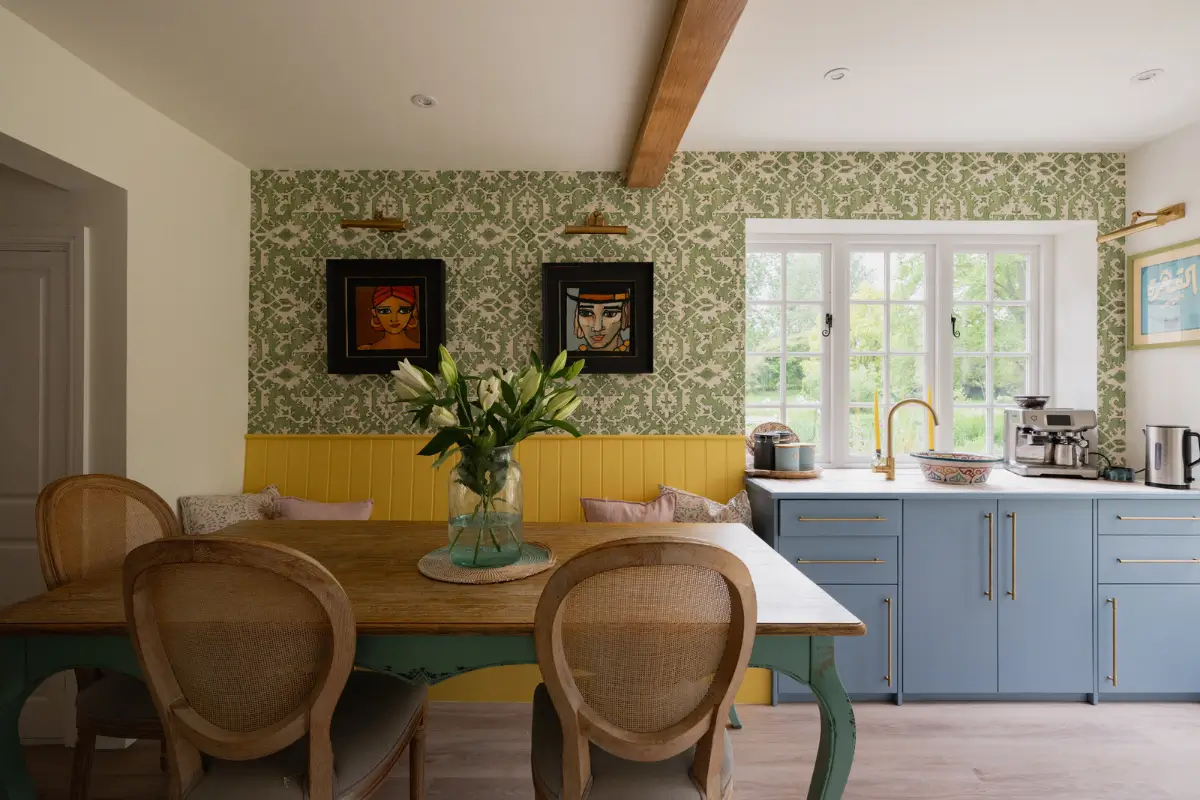
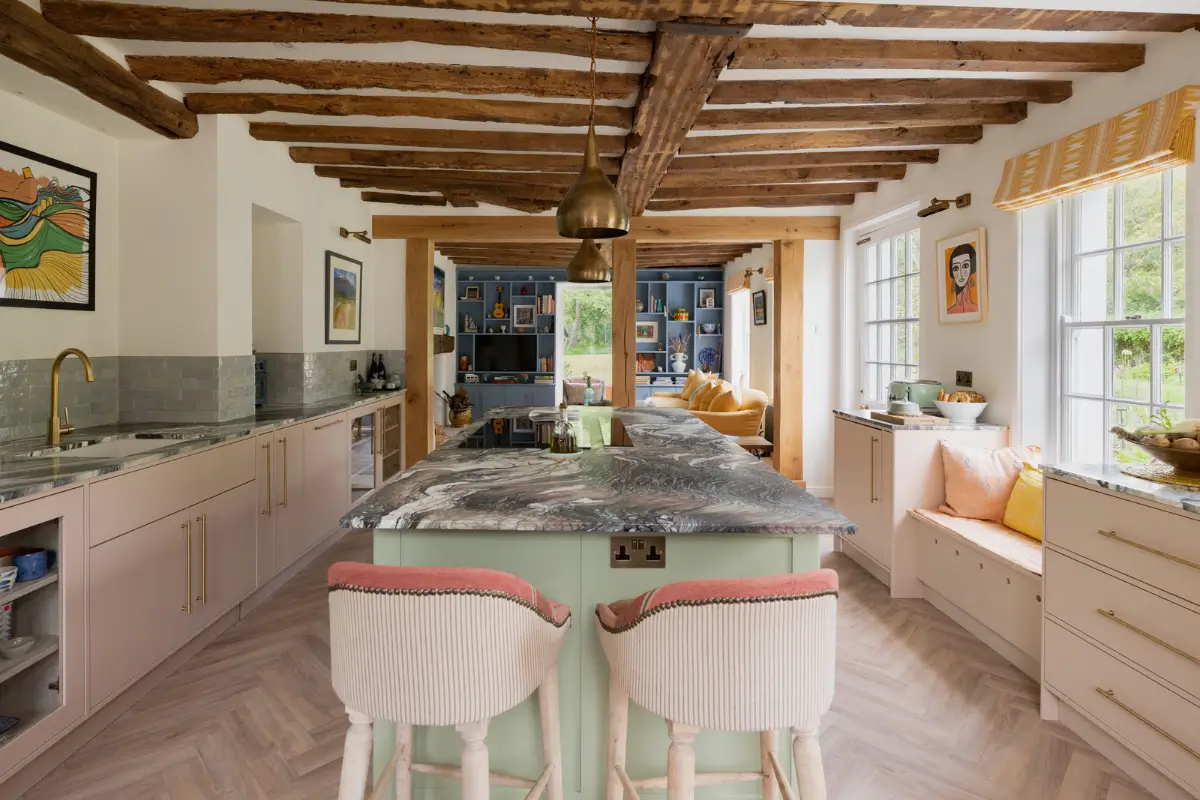
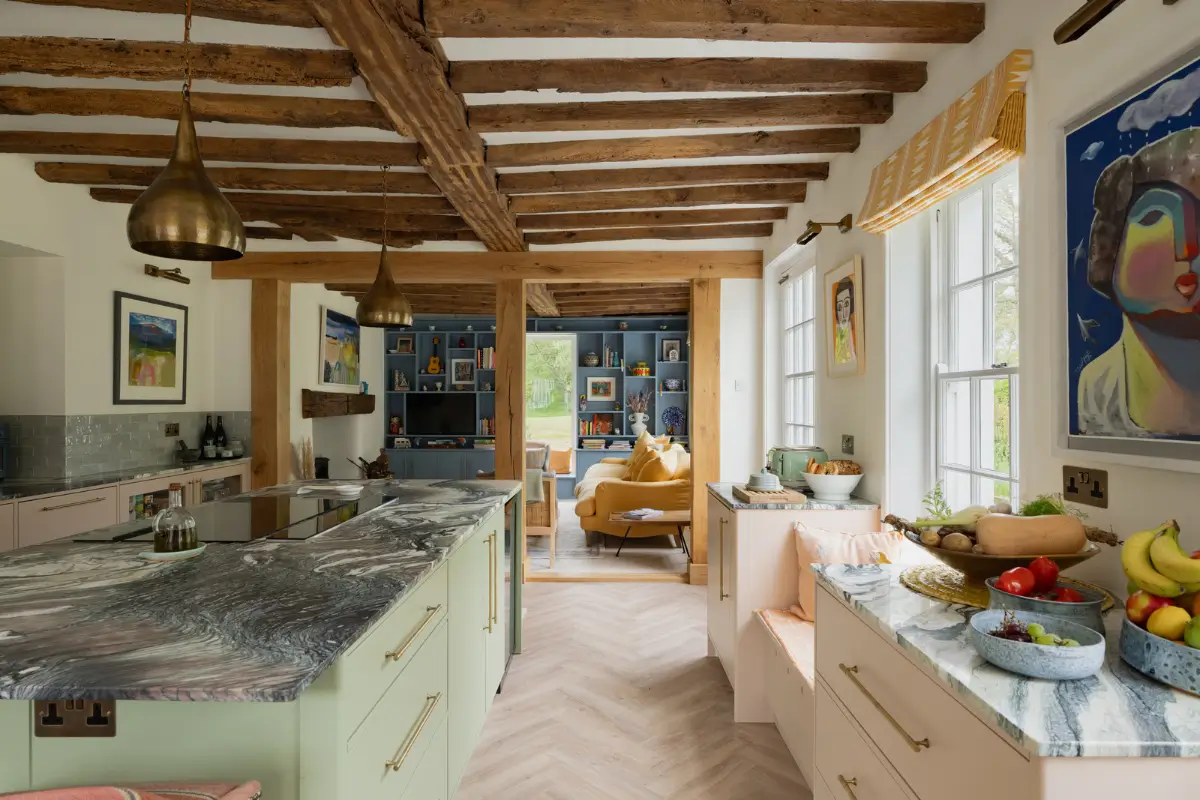
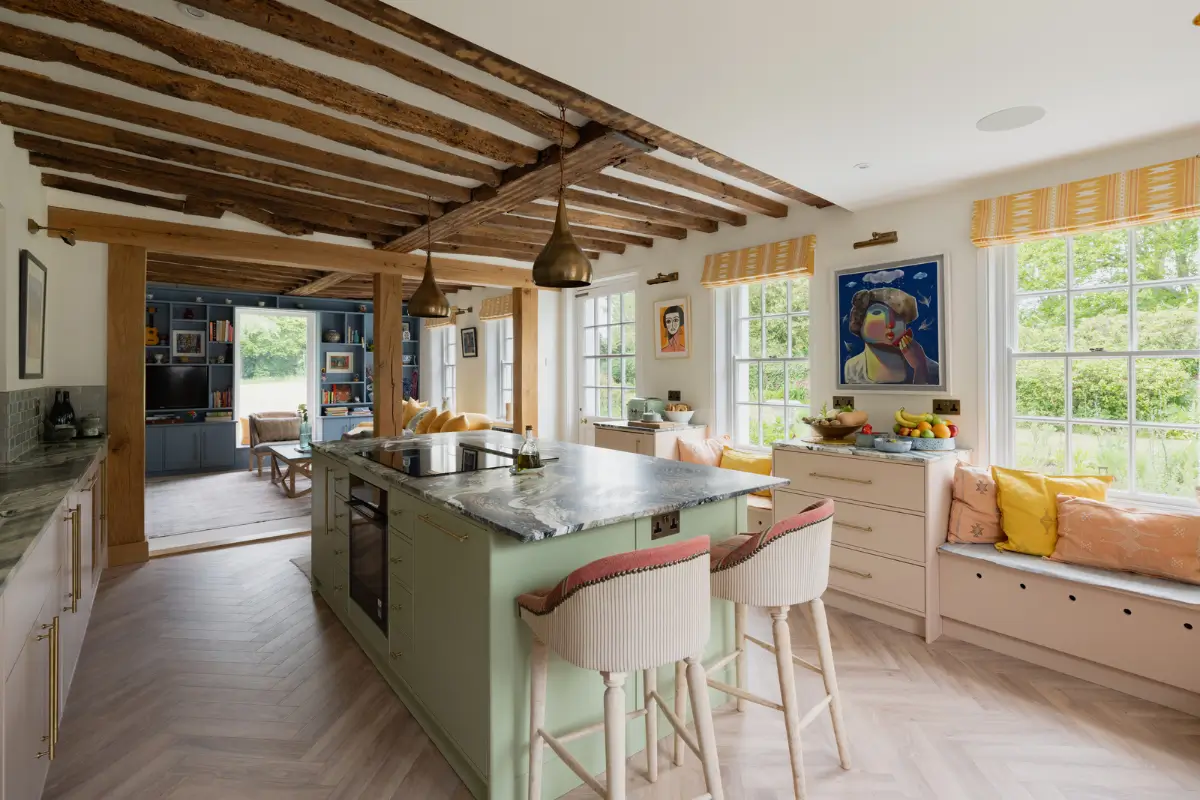
The kitchen occupies a central place in the house, as is often the case in cottages from this period. The terracotta tile floor is complemented by painted furniture from Fired Earth. An Aga stove handles both cooking and hot water production.
The Aga remains a defining feature of the English country kitchen, both for its aesthetic appeal and for the warmth it radiates into the room in winter. Its painted cabinetry, rather than raw wood, softens the overall look and blends perfectly with the terracotta floor.
Right next to the kitchen is a study. The solid oak hardwood floors and a door opening directly onto the garden make it a pleasant workspace.
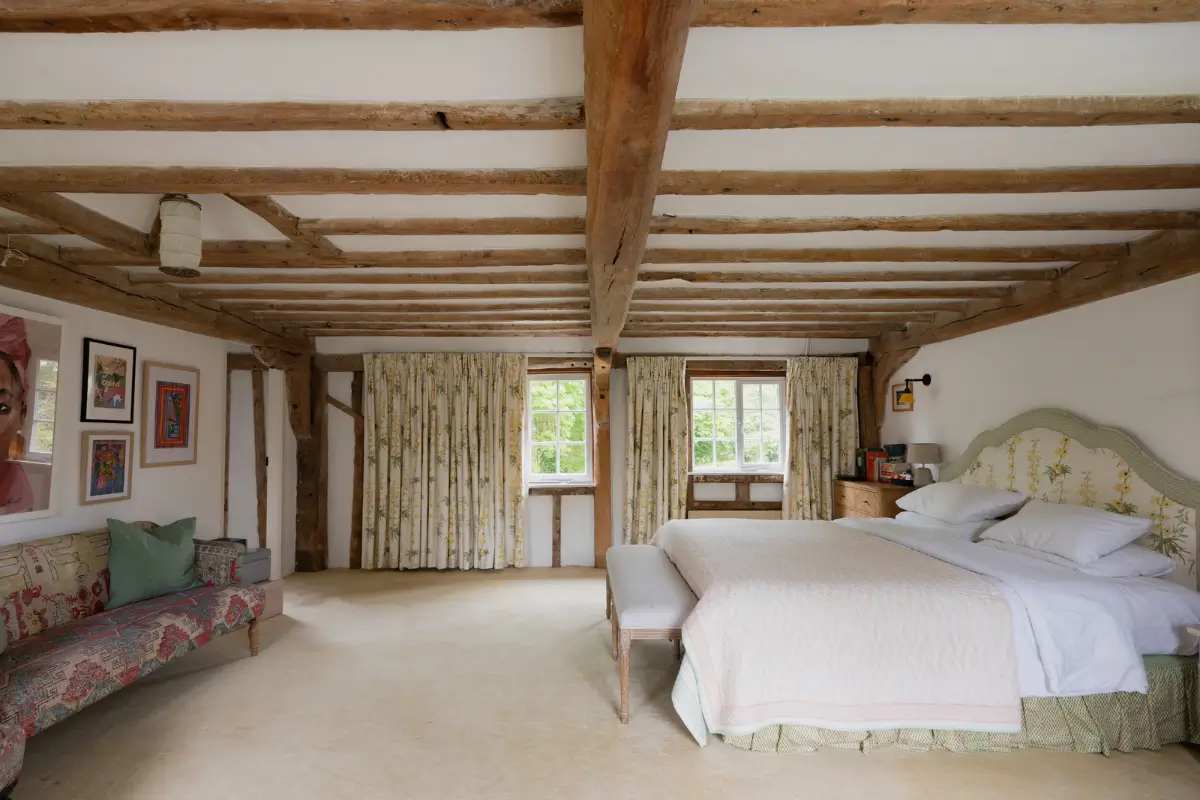
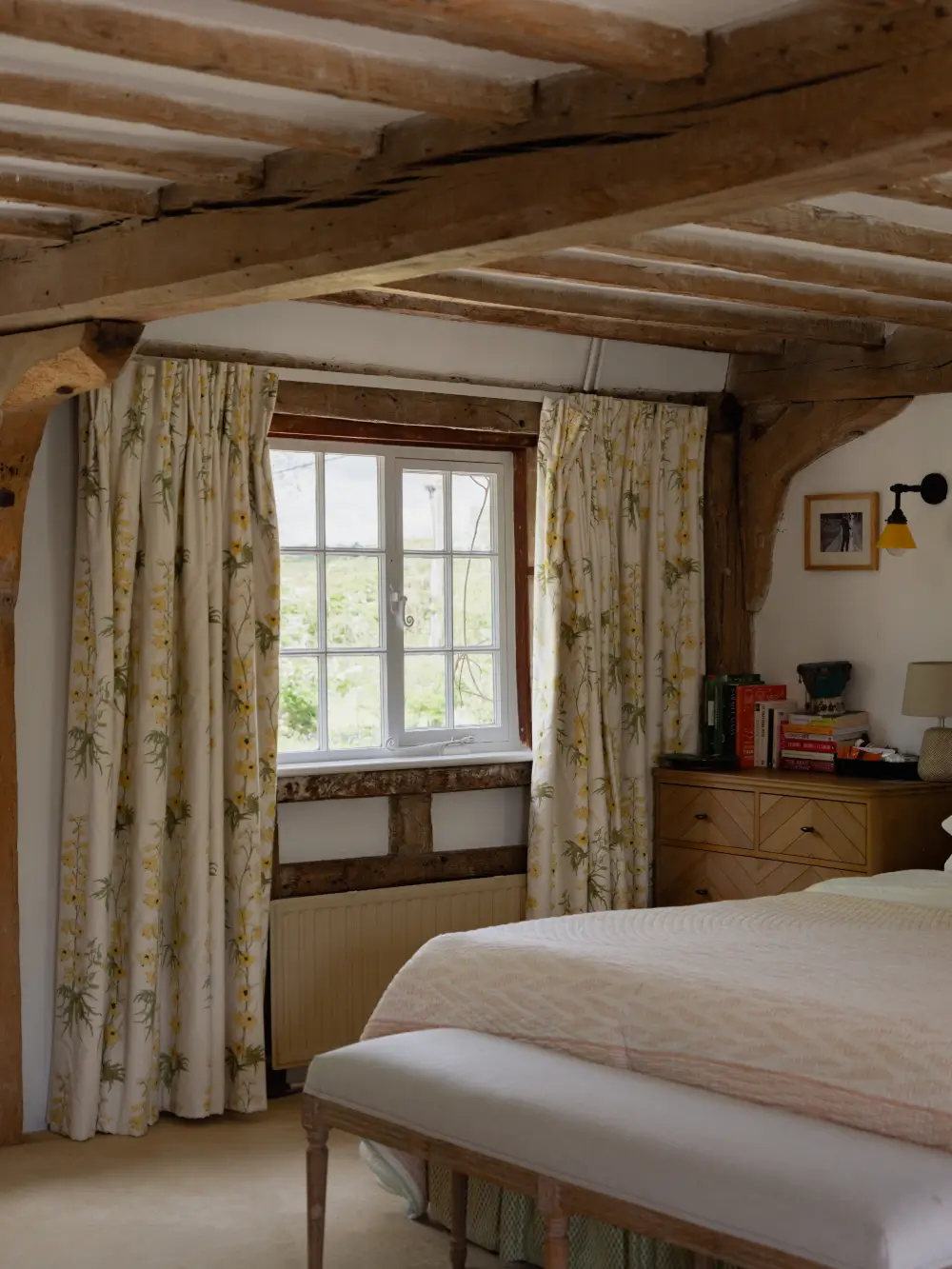
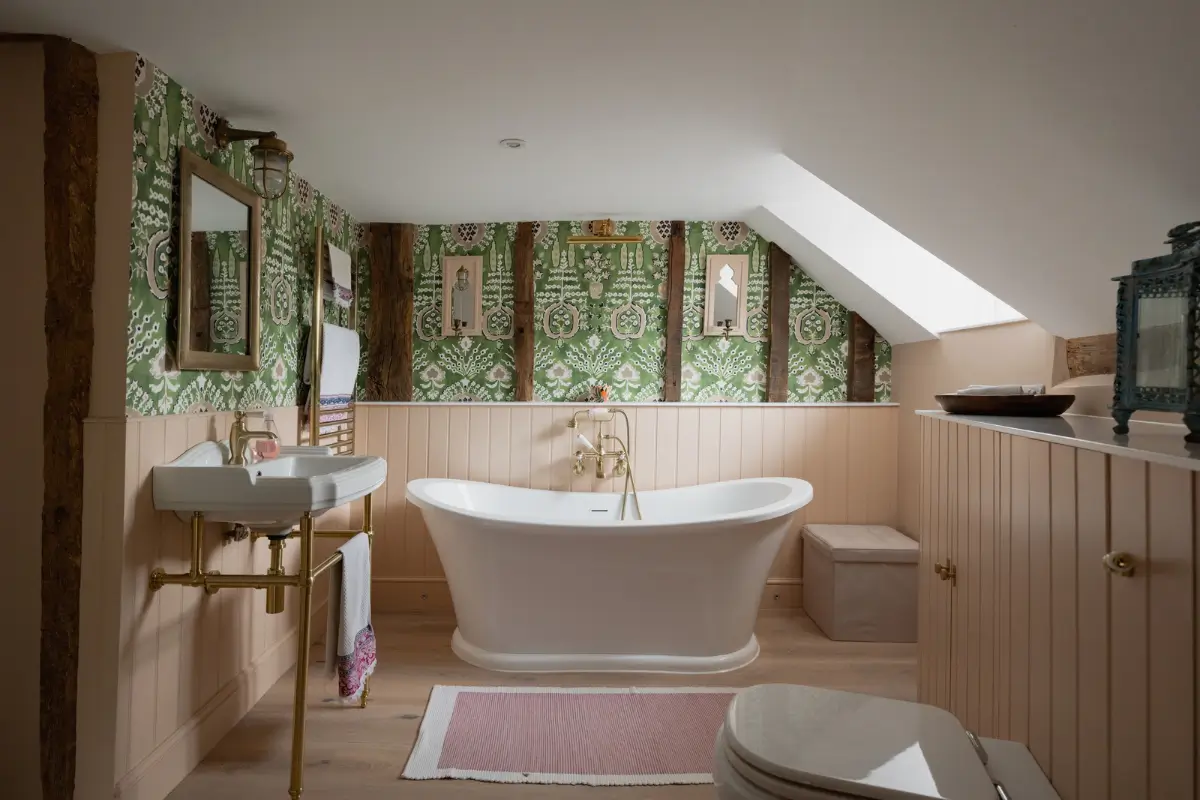
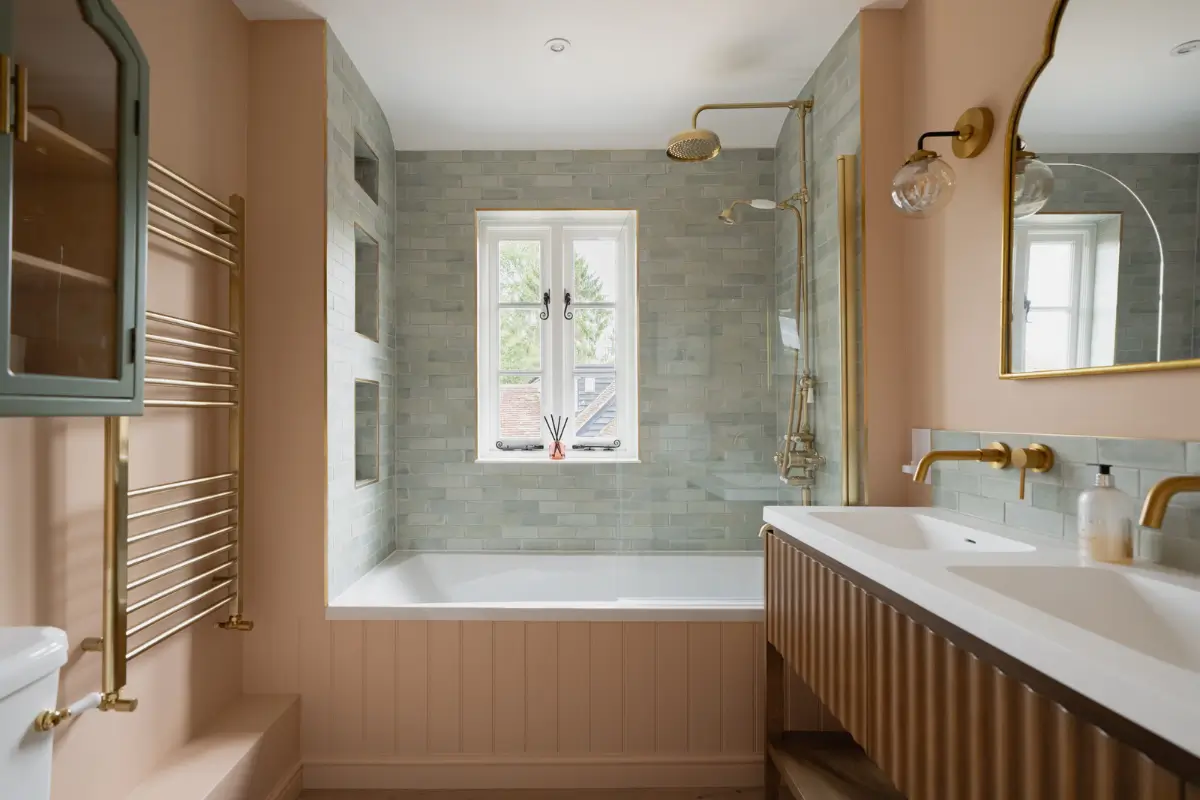
The first floor features three bedrooms and a family bathroom. Two of the bedrooms offer a view of the garden from the front of the house. This understated design, without an overabundance of materials or colors, allows the historic architecture of the roof and rafters to shine through.
The outdoor spaces are among Ship Cottage’s highlights. The spacious garden features trimmed yew hedges and gently sloping lawns. Paths made of Yorkshire stone and brick wind through it.
The English cottage captivates people around the world. Half-timbered houses, informal gardens, and fireplaces fuel the imagination of the “cottagecore” movement, popularized by Netflix series that inspire many other people in the world. This same rustic atmosphere can be found in Norman farmhouses or the granite homes of Brittany. The main difference lies in how the garden is tended.
The English let herbaceous plantings grow freely and embrace a certain degree of controlled disorder. French gardens, on the other hand, are often more meticulously pruned and structured. It’s no coincidence that we speak of a “French garden.”
Recreating this atmosphere at home doesn’t necessarily require a 16th-century house (thankfully!). Installing a wood-burning stove in an old fireplace remains the most effective touch. Painted kitchen cabinets, rather than unpainted ones, immediately add warmth. Terracotta tiles work just as well in a Norman kitchen as they do in a Sussex cottage.
As for the garden, it’s better to let the plants live and grow rather than trim everything into neat squares. A few old-fashioned rose bushes (with a sweet fragrance) and a stone path are enough to create that English garden feel.
Ship Cottage isn’t a spectacular house. It doesn’t set out to be. Its appeal lies in its well-balanced proportions and the faithful restoration. The partitioned rooms, the traditional kitchen, and the structured garden come together to form an authentic whole.
Successive renovations have prioritized simplicity, thus preserving the original character, the very thing that charms us.
This 16th-century house is located in Sussex. This region has inspired generations of artists and writers, including Henry James, who lived there and wrote several of his novels. The surrounding hills, dotted with sheep and hedgerows, are a typical landscape of this part of England. Playden, the hamlet where Ship Cottage is located, lies on these very hills, just a few minutes from the historic center.
The property sits on a 2,200-square-meter lot. It is located not far from Rye, the historic port of the Cinque Ports known for its cobblestone streets and half-timbered houses. Rye is well worth exploring. This ancient town has preserved its harbor, which was once directly connected to the sea. The beaches of Camber Sands are about a ten-minute drive away.

This 16th-century house was sold by Inigo for £1,995,000
Architecture true to its era
The house’s floor plan remains true to its original architecture. Its vaulted entrance hall, partially paneled, leads to the main rooms. The living room and dining room occupy the oldest part of the building. Each has its own fireplace and wood-burning stove. The small-paned windows open onto the garden and let in soft light, filtered by the surrounding greenery.
This layout of partitioned rooms contrasts with the open-concept interiors that dominate today. It preserves the privacy of each space and respects the original structural logic, rather than sacrificing the historic volumes to a contemporary trend.
A kitchen rooted in english tradition
The kitchen occupies a central place in the house, as is often the case in cottages from this period. The terracotta tile floor is complemented by painted furniture from Fired Earth. An Aga stove handles both cooking and hot water production.
The Aga remains a defining feature of the English country kitchen, both for its aesthetic appeal and for the warmth it radiates into the room in winter. Its painted cabinetry, rather than raw wood, softens the overall look and blends perfectly with the terracotta floor.
The other rooms in the house
Right next to the kitchen is a study. The solid oak hardwood floors and a door opening directly onto the garden make it a pleasant workspace.
The first floor features three bedrooms and a family bathroom. Two of the bedrooms offer a view of the garden from the front of the house. This understated design, without an overabundance of materials or colors, allows the historic architecture of the roof and rafters to shine through.
A garden designed as an extension of the house
The outdoor spaces are among Ship Cottage’s highlights. The spacious garden features trimmed yew hedges and gently sloping lawns. Paths made of Yorkshire stone and brick wind through it.
A style that also resonates with foreign readers
The English cottage captivates people around the world. Half-timbered houses, informal gardens, and fireplaces fuel the imagination of the “cottagecore” movement, popularized by Netflix series that inspire many other people in the world. This same rustic atmosphere can be found in Norman farmhouses or the granite homes of Brittany. The main difference lies in how the garden is tended.
The English let herbaceous plantings grow freely and embrace a certain degree of controlled disorder. French gardens, on the other hand, are often more meticulously pruned and structured. It’s no coincidence that we speak of a “French garden.”
Recreating this atmosphere at home doesn’t necessarily require a 16th-century house (thankfully!). Installing a wood-burning stove in an old fireplace remains the most effective touch. Painted kitchen cabinets, rather than unpainted ones, immediately add warmth. Terracotta tiles work just as well in a Norman kitchen as they do in a Sussex cottage.
As for the garden, it’s better to let the plants live and grow rather than trim everything into neat squares. A few old-fashioned rose bushes (with a sweet fragrance) and a stone path are enough to create that English garden feel.
Our opinion about this 16th-century house
Ship Cottage isn’t a spectacular house. It doesn’t set out to be. Its appeal lies in its well-balanced proportions and the faithful restoration. The partitioned rooms, the traditional kitchen, and the structured garden come together to form an authentic whole.
Successive renovations have prioritized simplicity, thus preserving the original character, the very thing that charms us.
The house’s surroundings
This 16th-century house is located in Sussex. This region has inspired generations of artists and writers, including Henry James, who lived there and wrote several of his novels. The surrounding hills, dotted with sheep and hedgerows, are a typical landscape of this part of England. Playden, the hamlet where Ship Cottage is located, lies on these very hills, just a few minutes from the historic center.
The property sits on a 2,200-square-meter lot. It is located not far from Rye, the historic port of the Cinque Ports known for its cobblestone streets and half-timbered houses. Rye is well worth exploring. This ancient town has preserved its harbor, which was once directly connected to the sea. The beaches of Camber Sands are about a ten-minute drive away.


This 16th-century house was sold by Inigo for £1,995,000


Comments